When the Bells Ring, Winter Answers: Inside Bulgaria’s Kukeri Tradition
In winter, when darkness dominates the landscape, ancient Thracian-rooted rituals come alive in Bulgaria, helping communities battle the harsh season and welcome the promise of renewal.
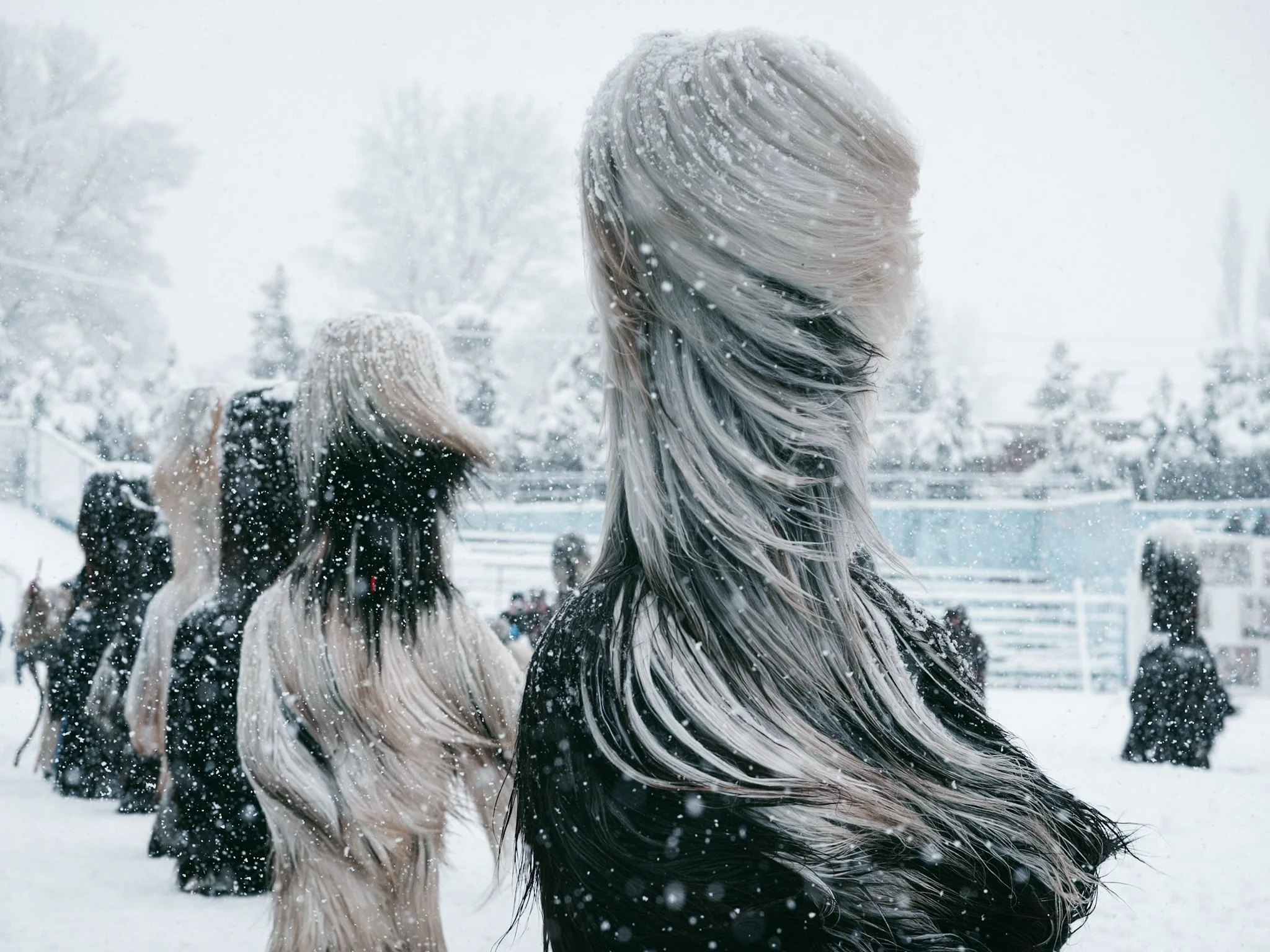
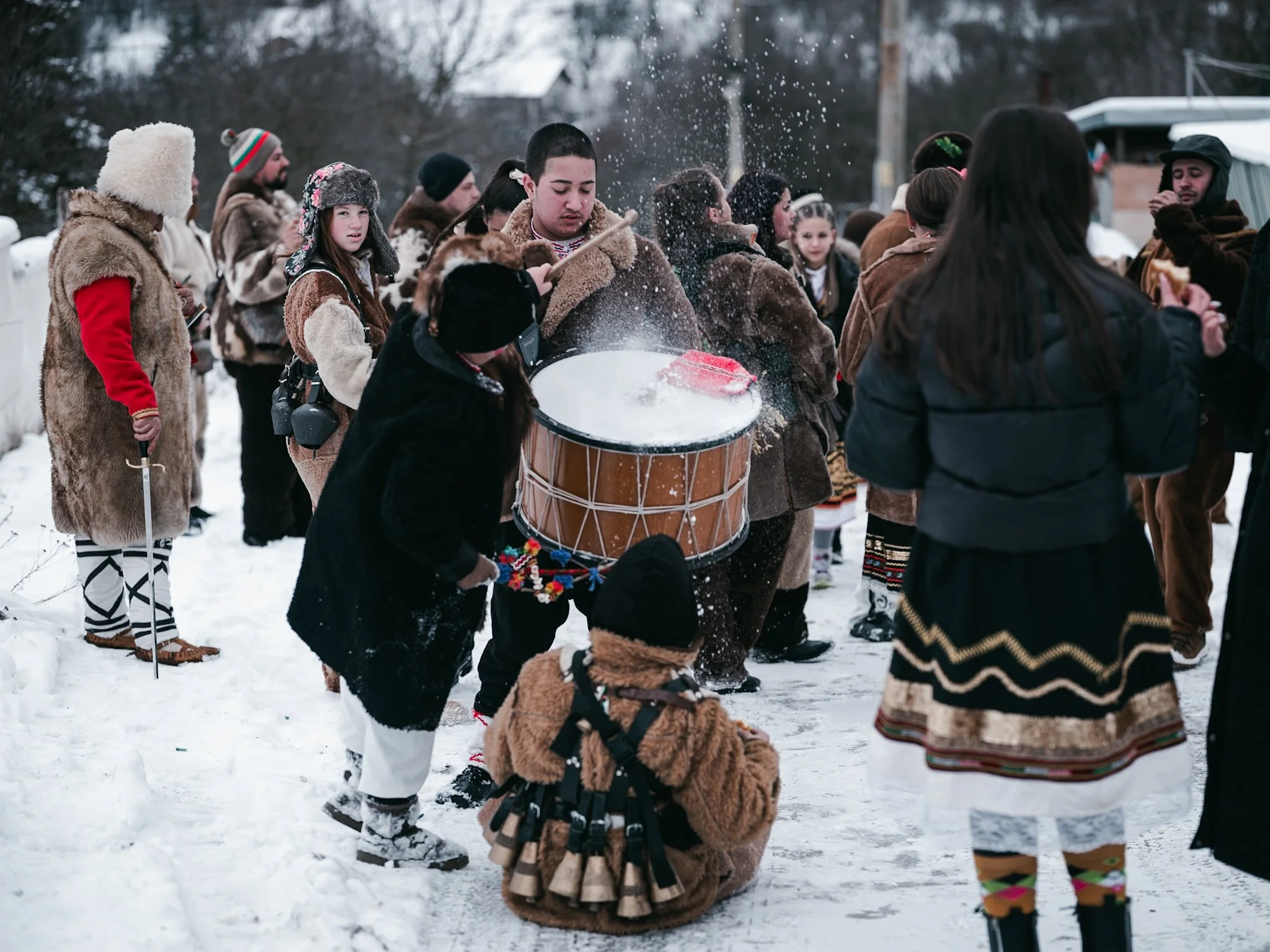
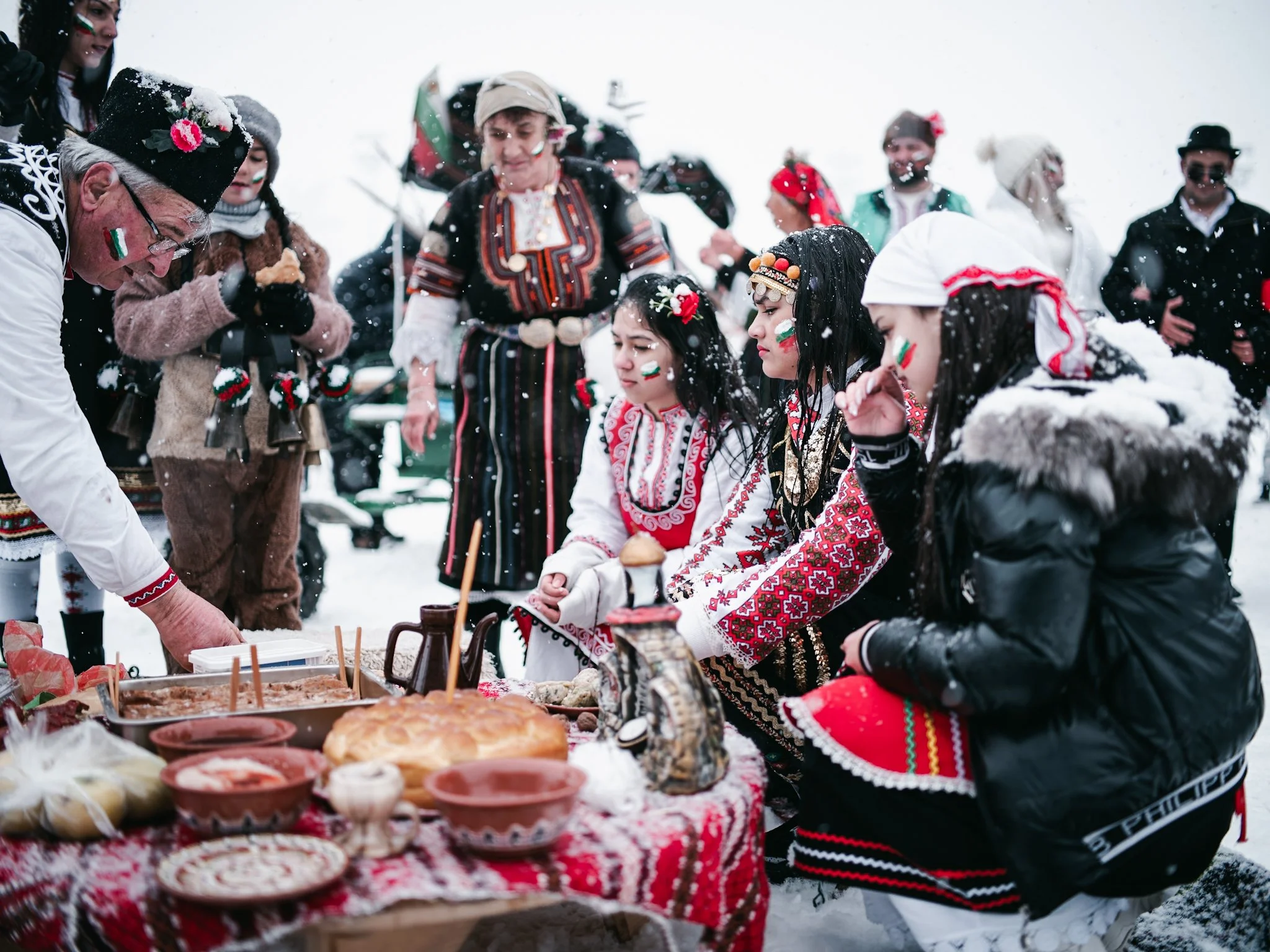
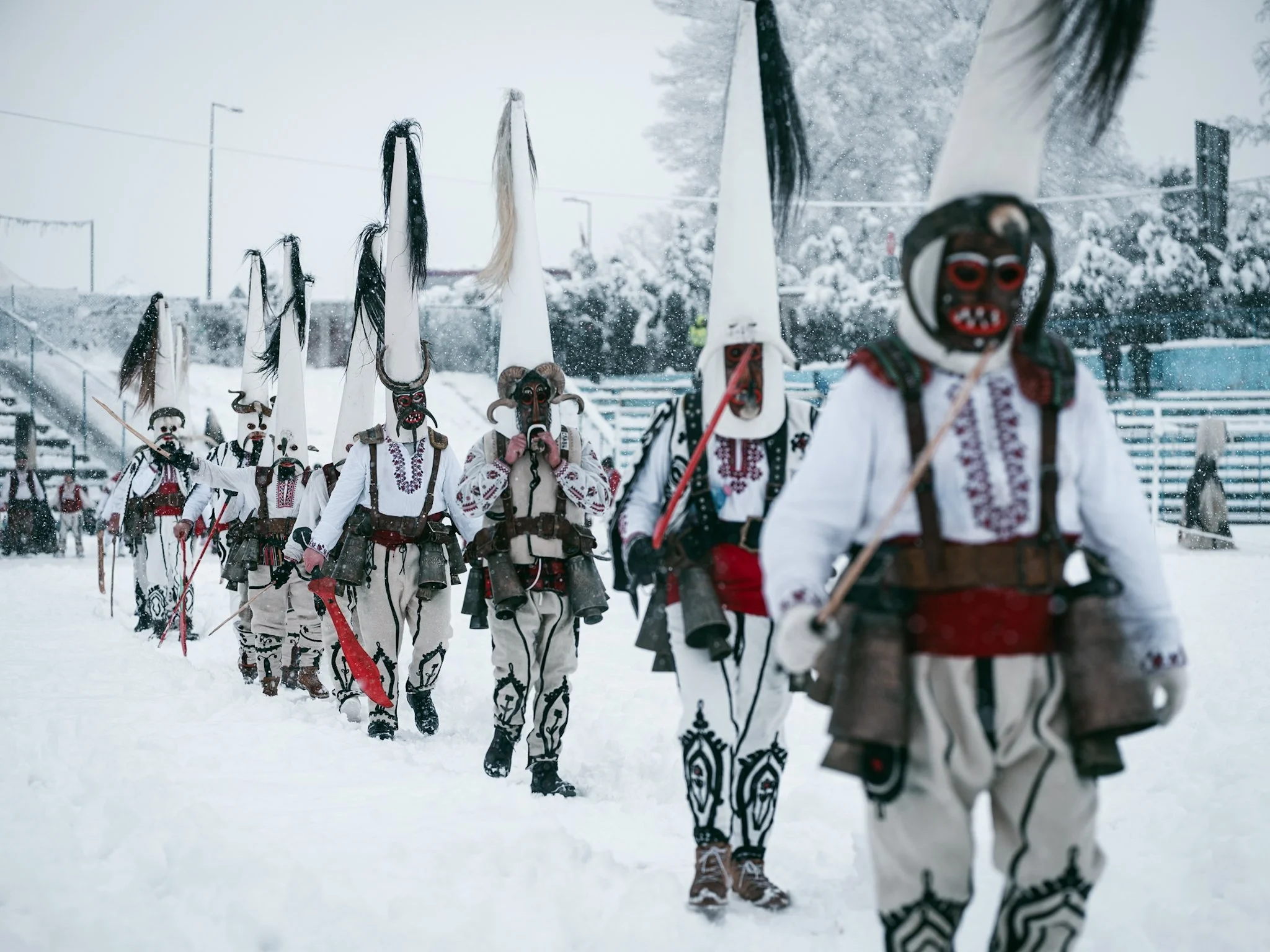
Each year on January 13–14, the Surva festivities begin in the Pernik region, where Kukeri groups parade through villages and homes, offering blessings for health and prosperity.
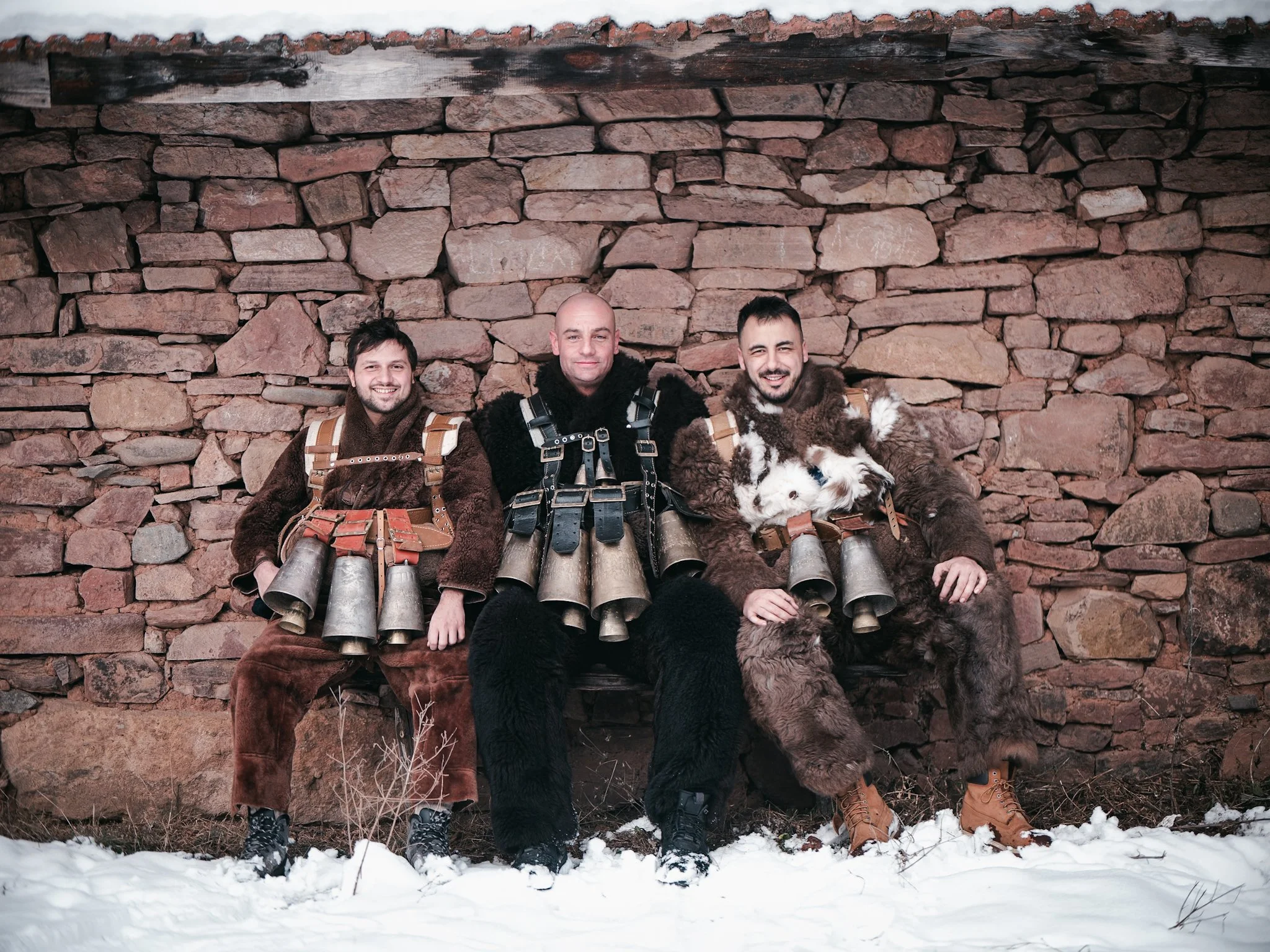
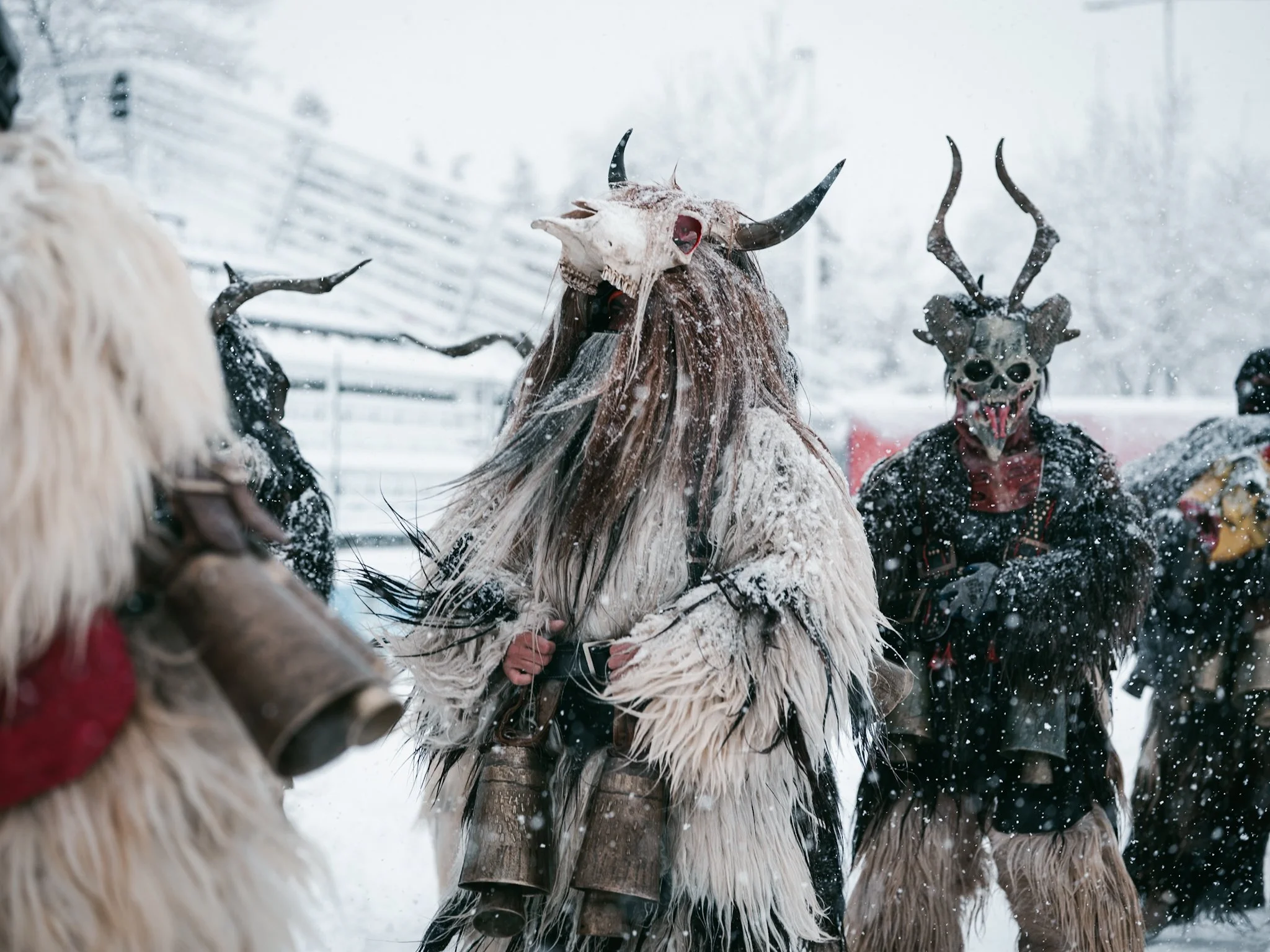
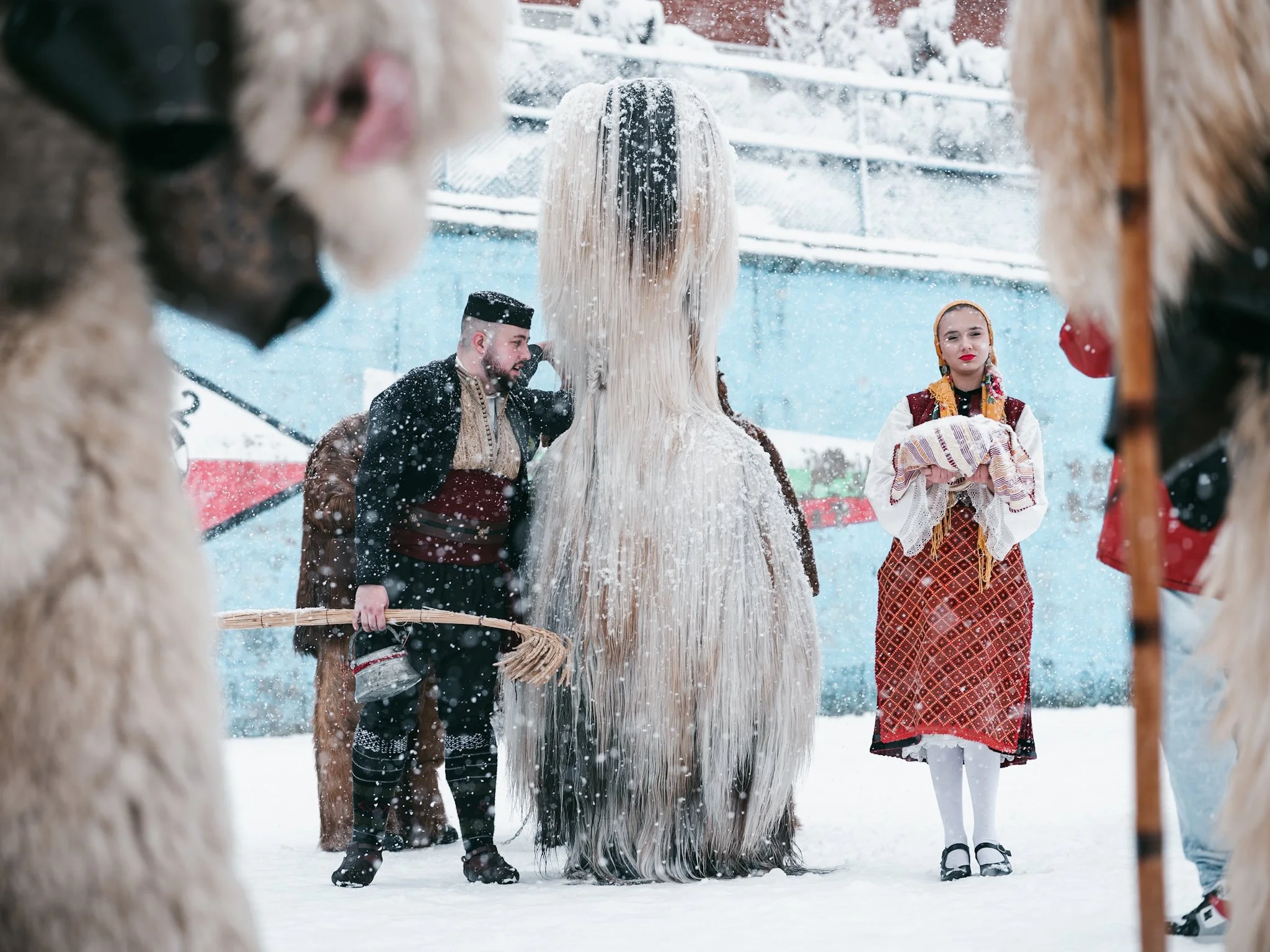
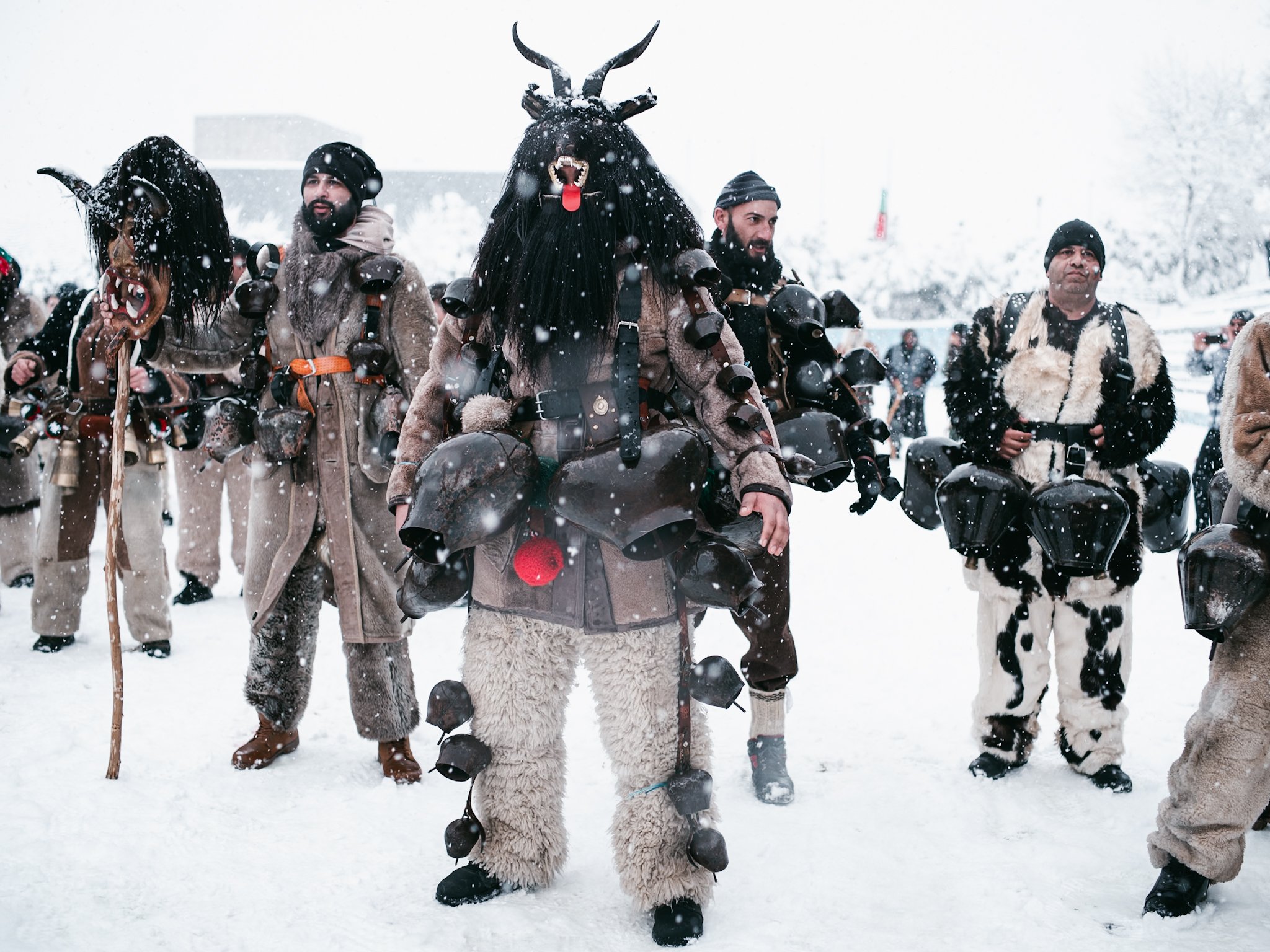
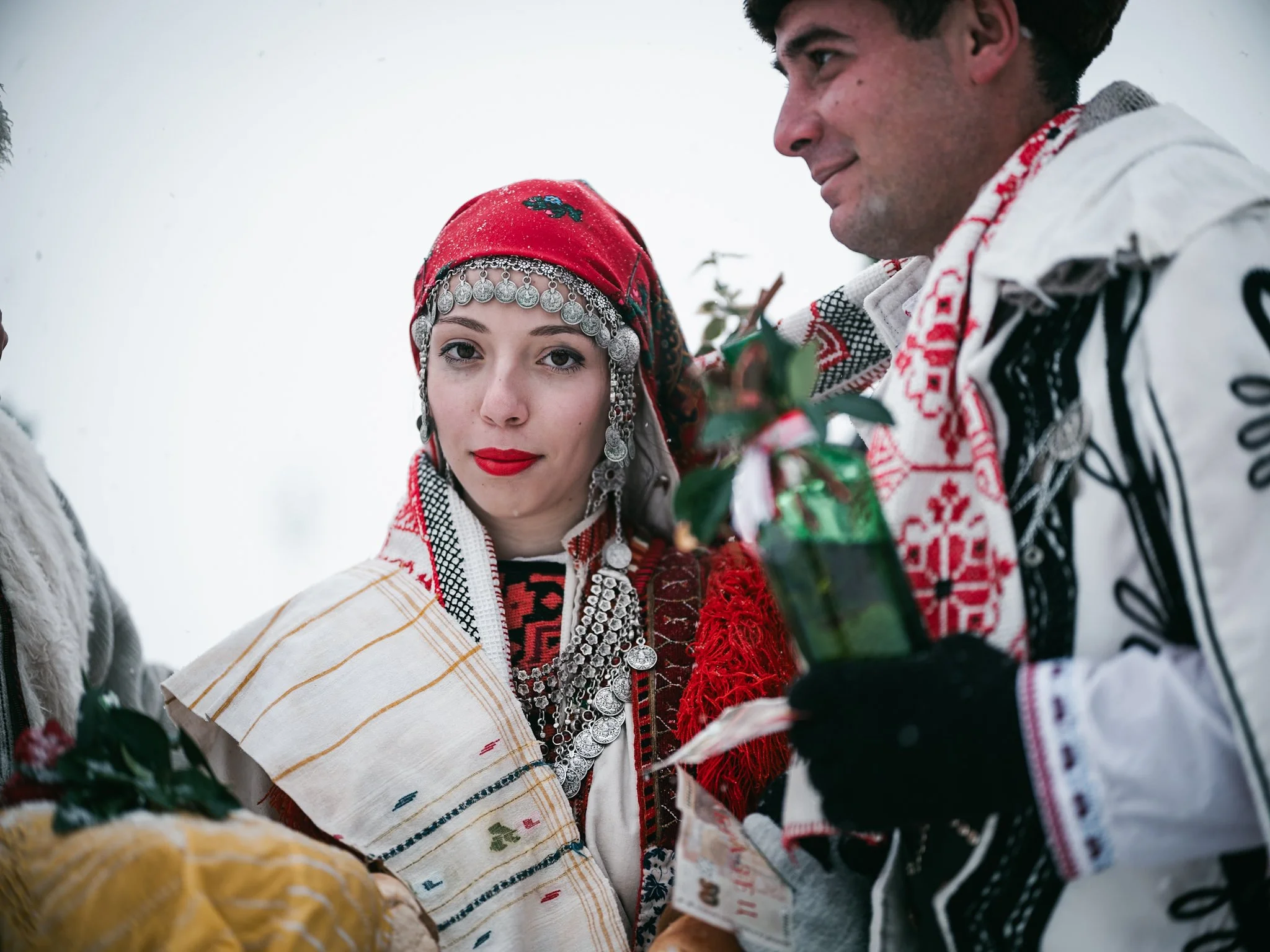
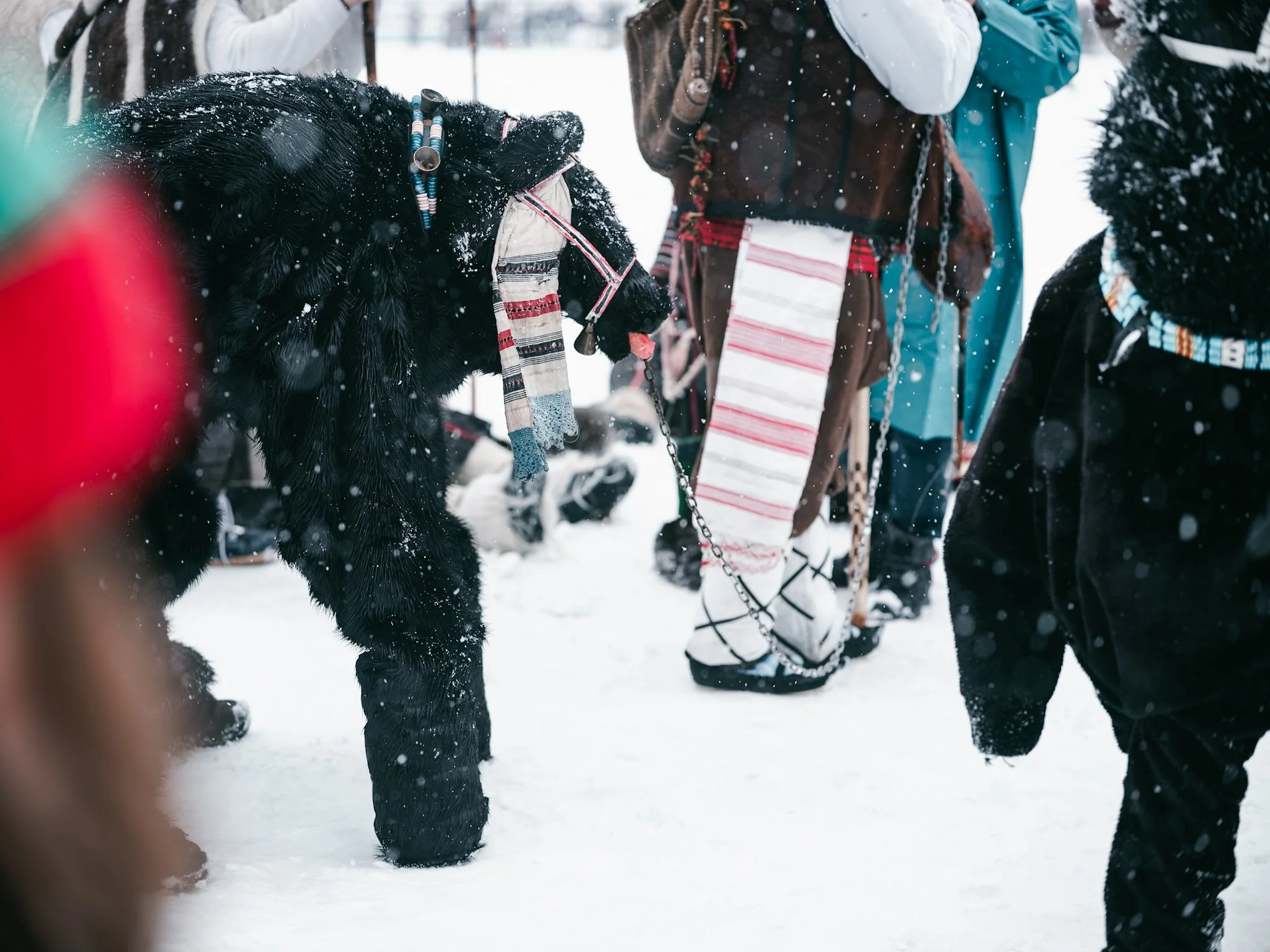
Their costumes use symbolic colors: red for the sun and fertility, black for the earth, and white for water and light. These ancient winter customs continue to affirm resilience, hope, and the enduring cycle of nature.
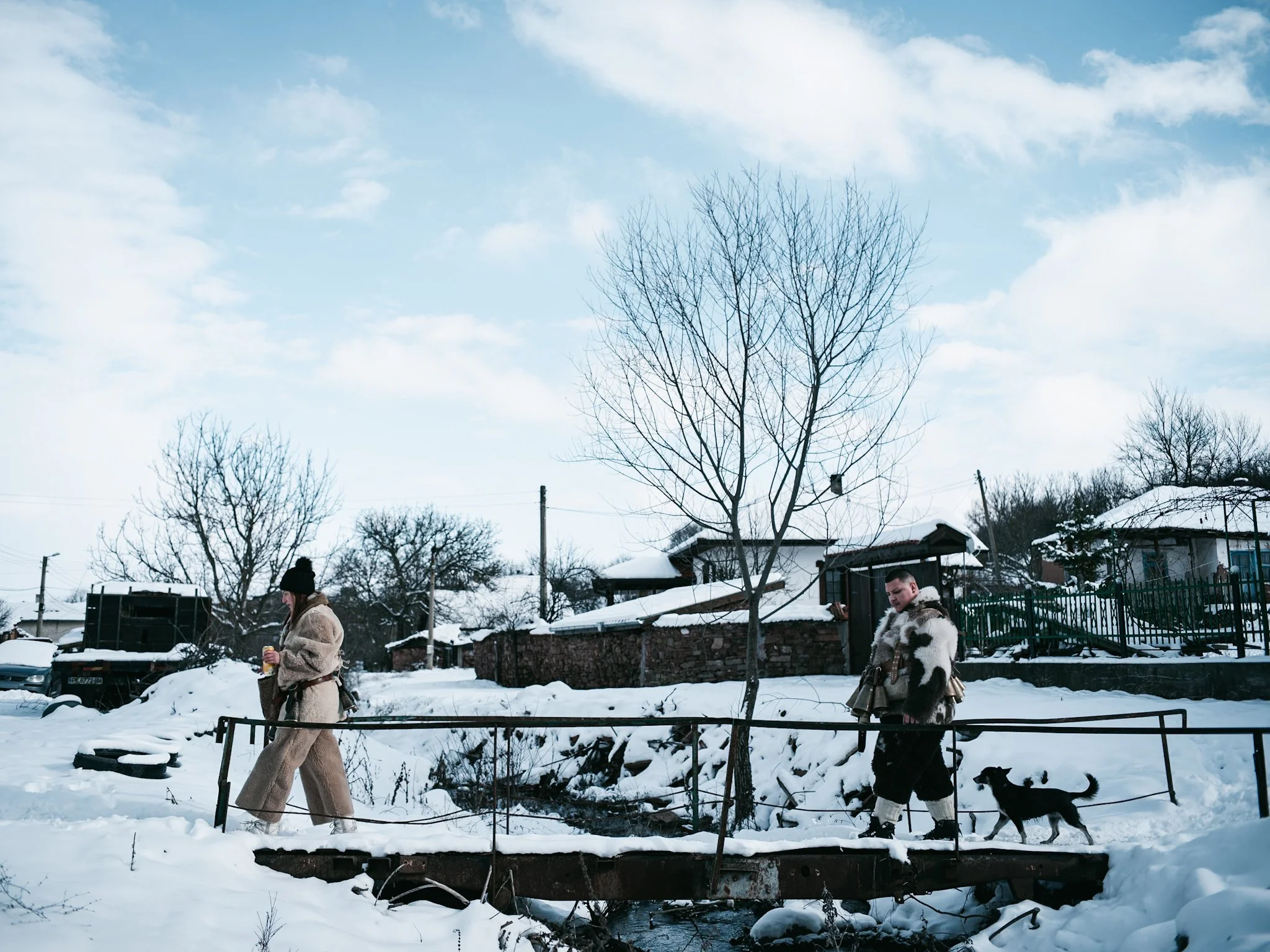
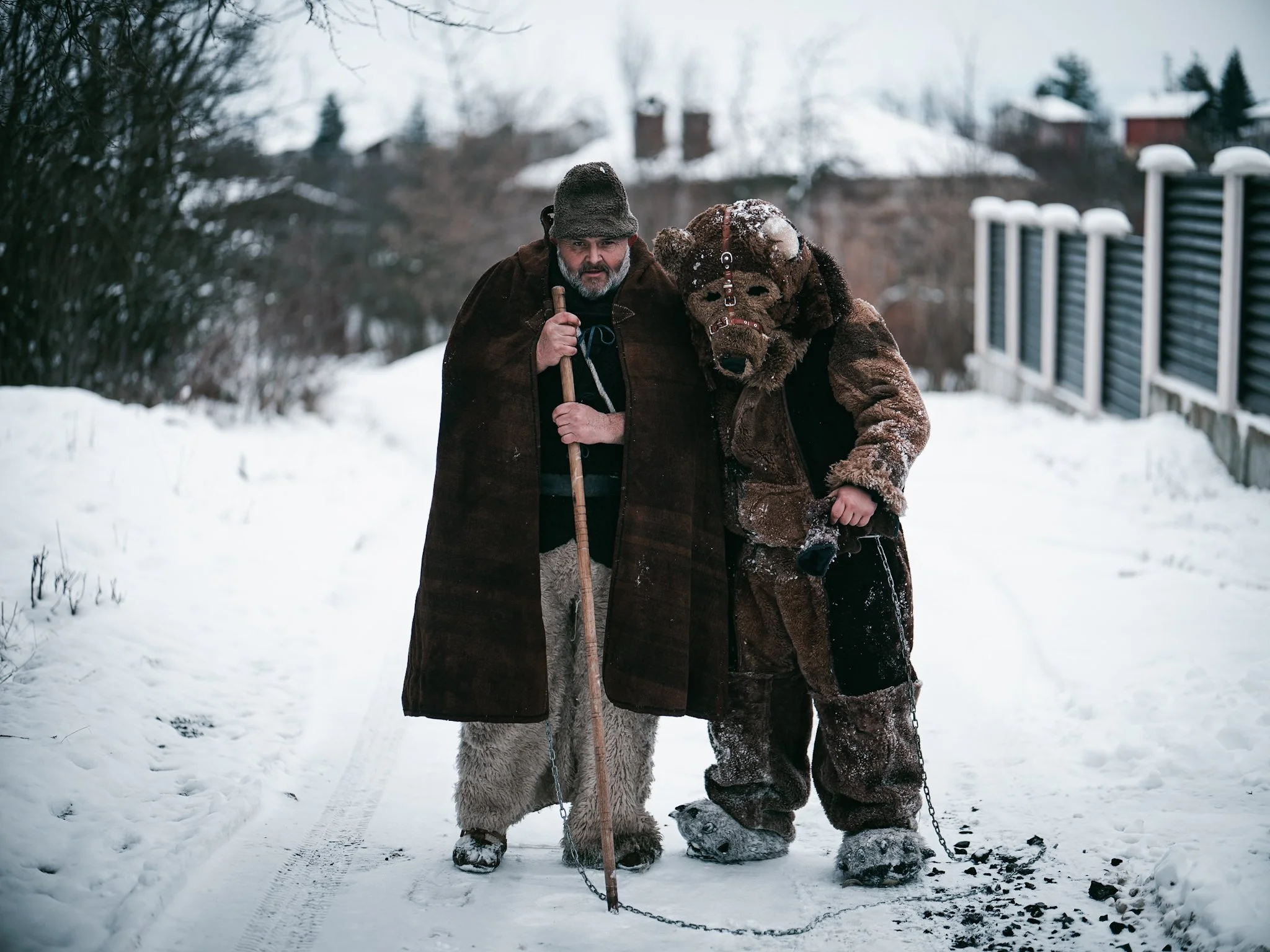
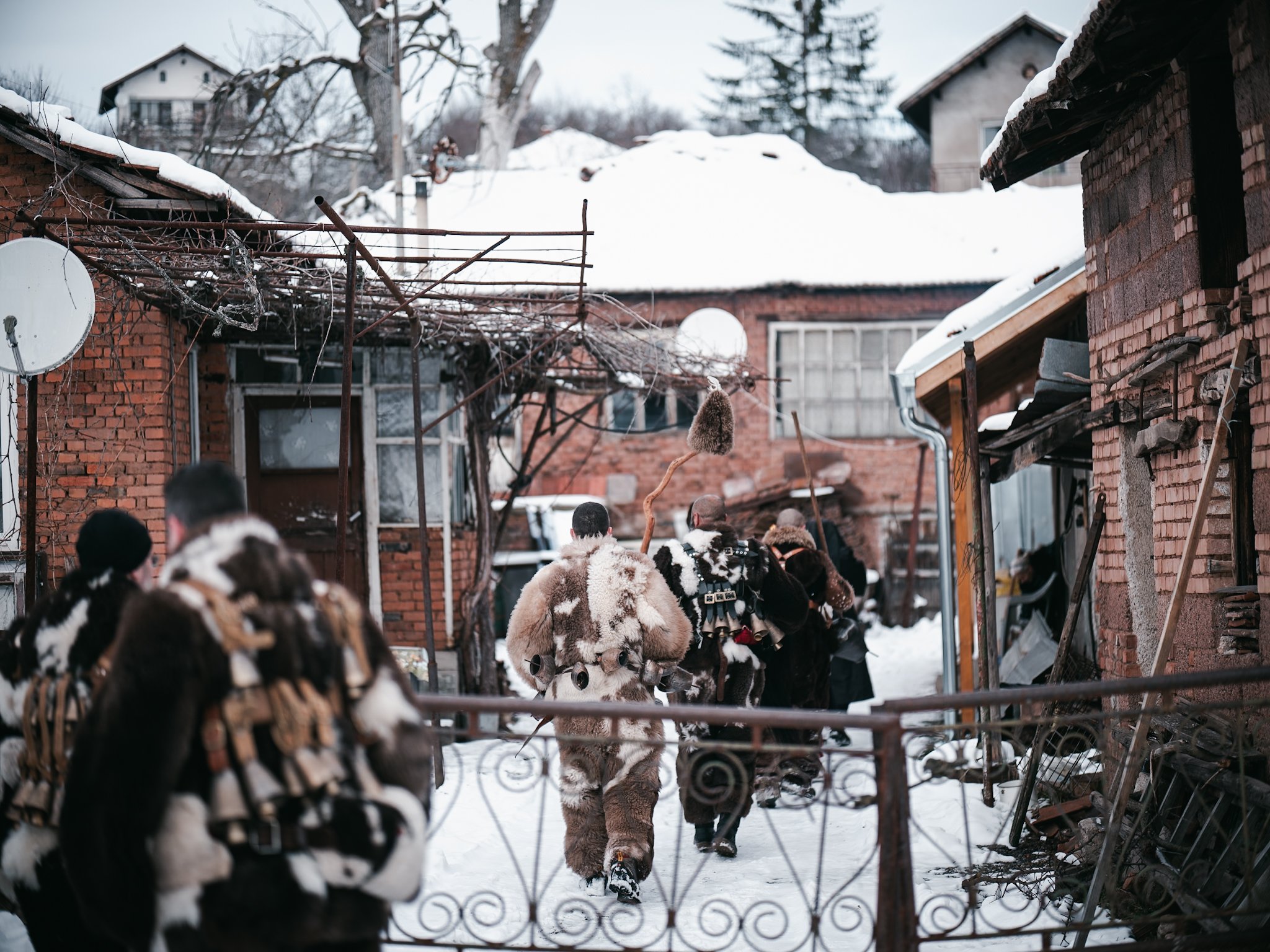
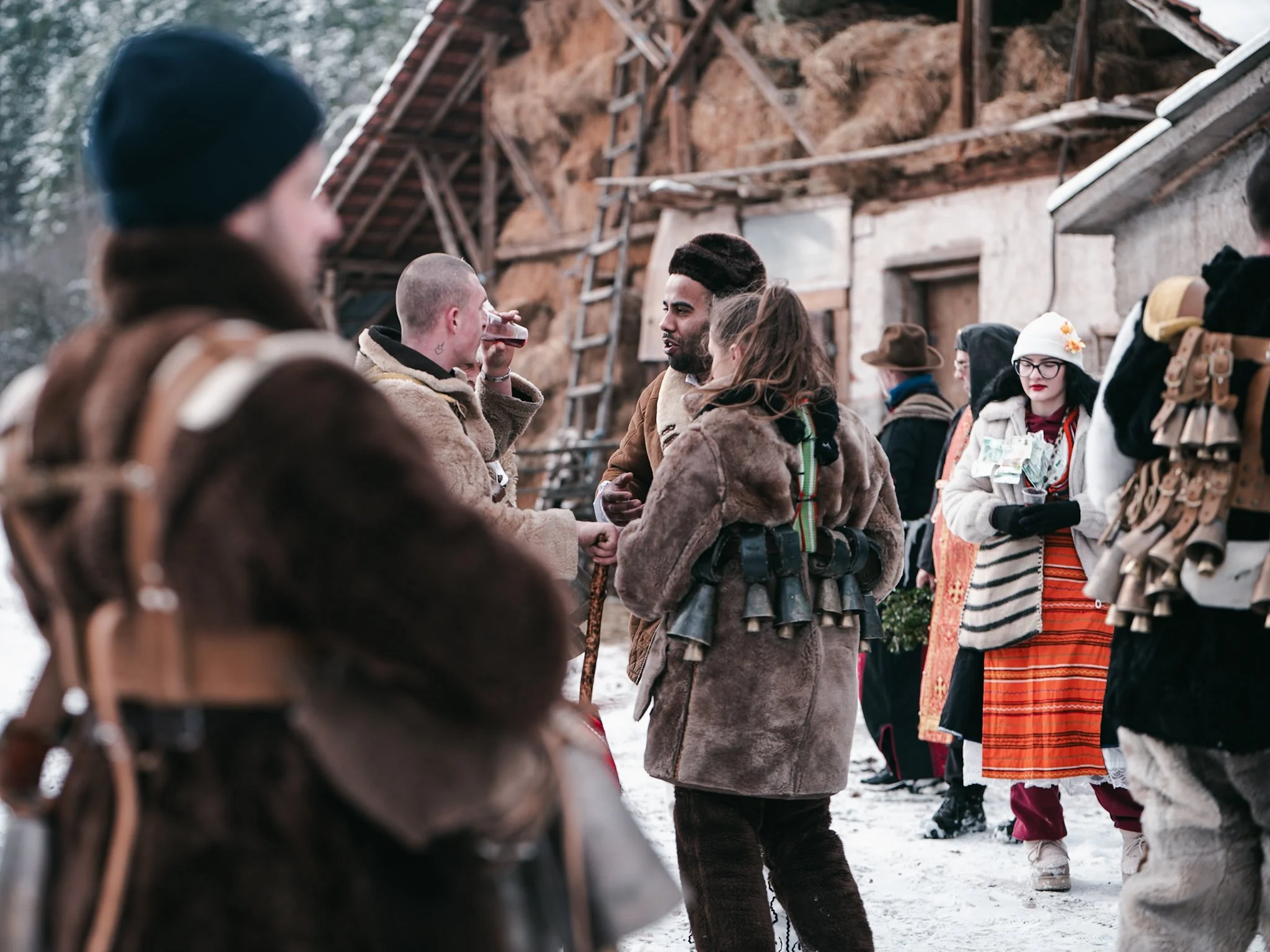
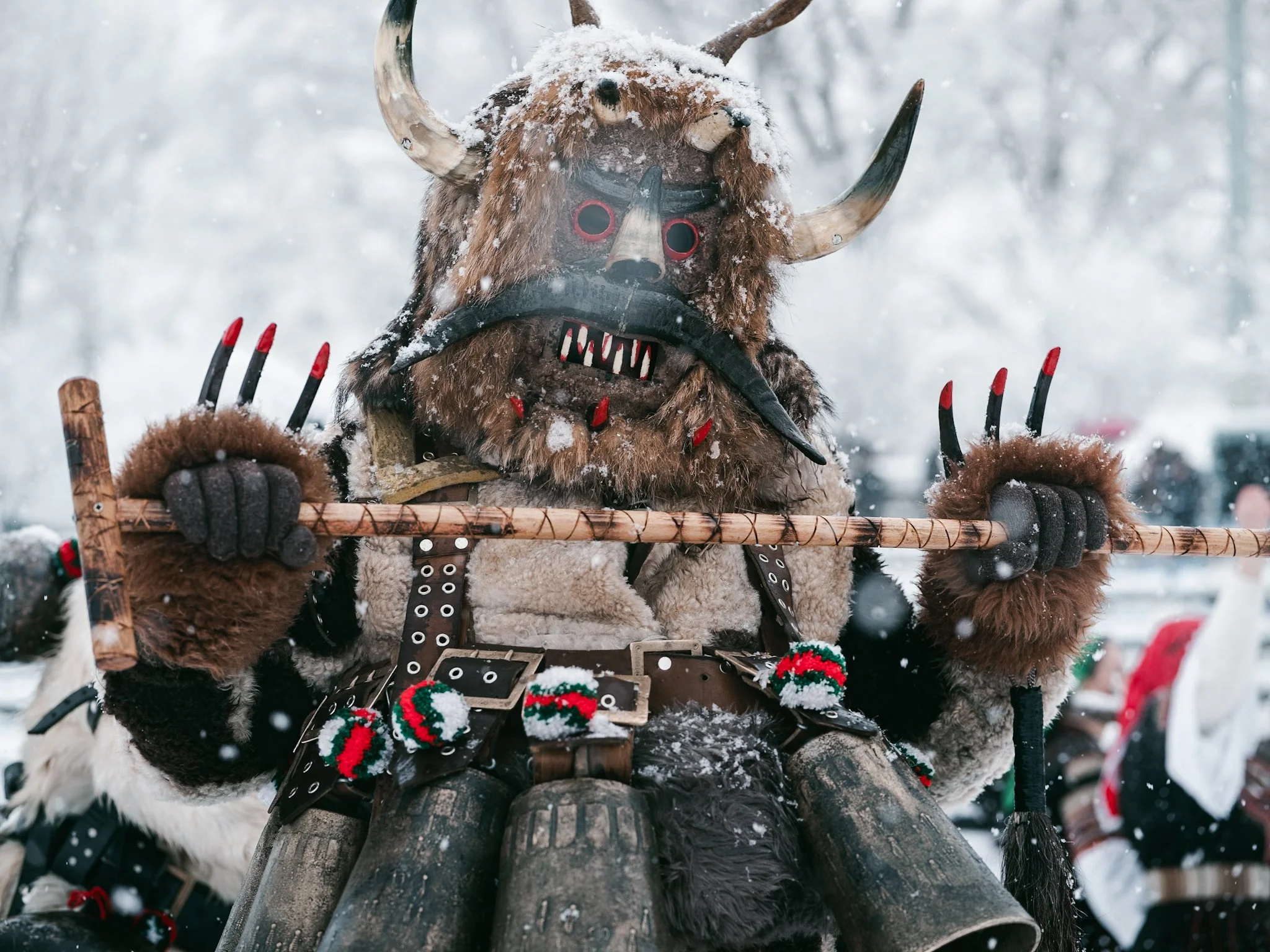
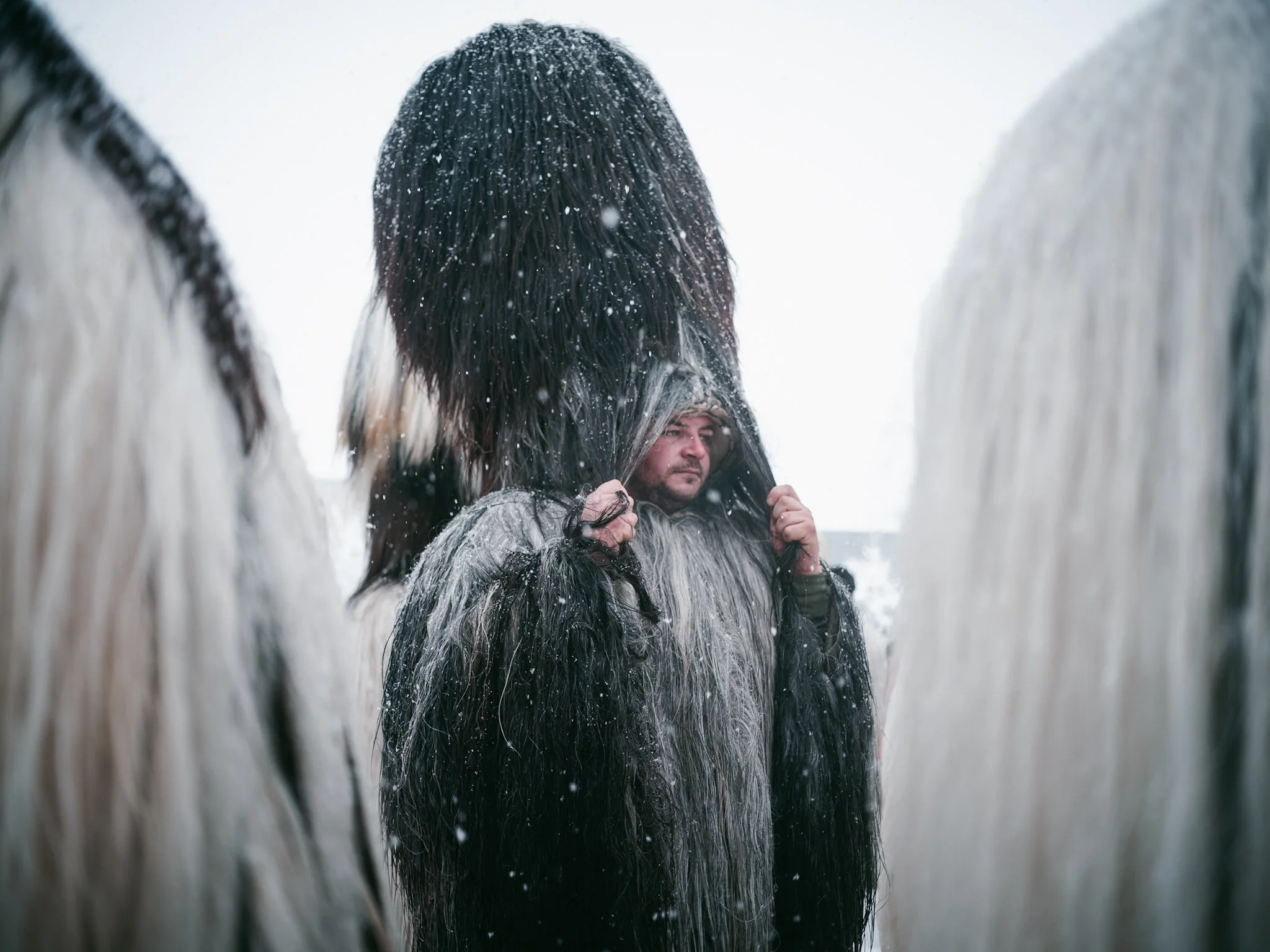
One of the most ancient traditions is the Kukeri, performed during the winter months as preparation for spring. Men, and recently women, wear hand-made, grotesque masks from animal skins, along with bells that resound as they leap and dance.
Their role is to embody nature spirits and drive away evil forces that threaten the land’s fertility, the health of people, and the vitality of animals.
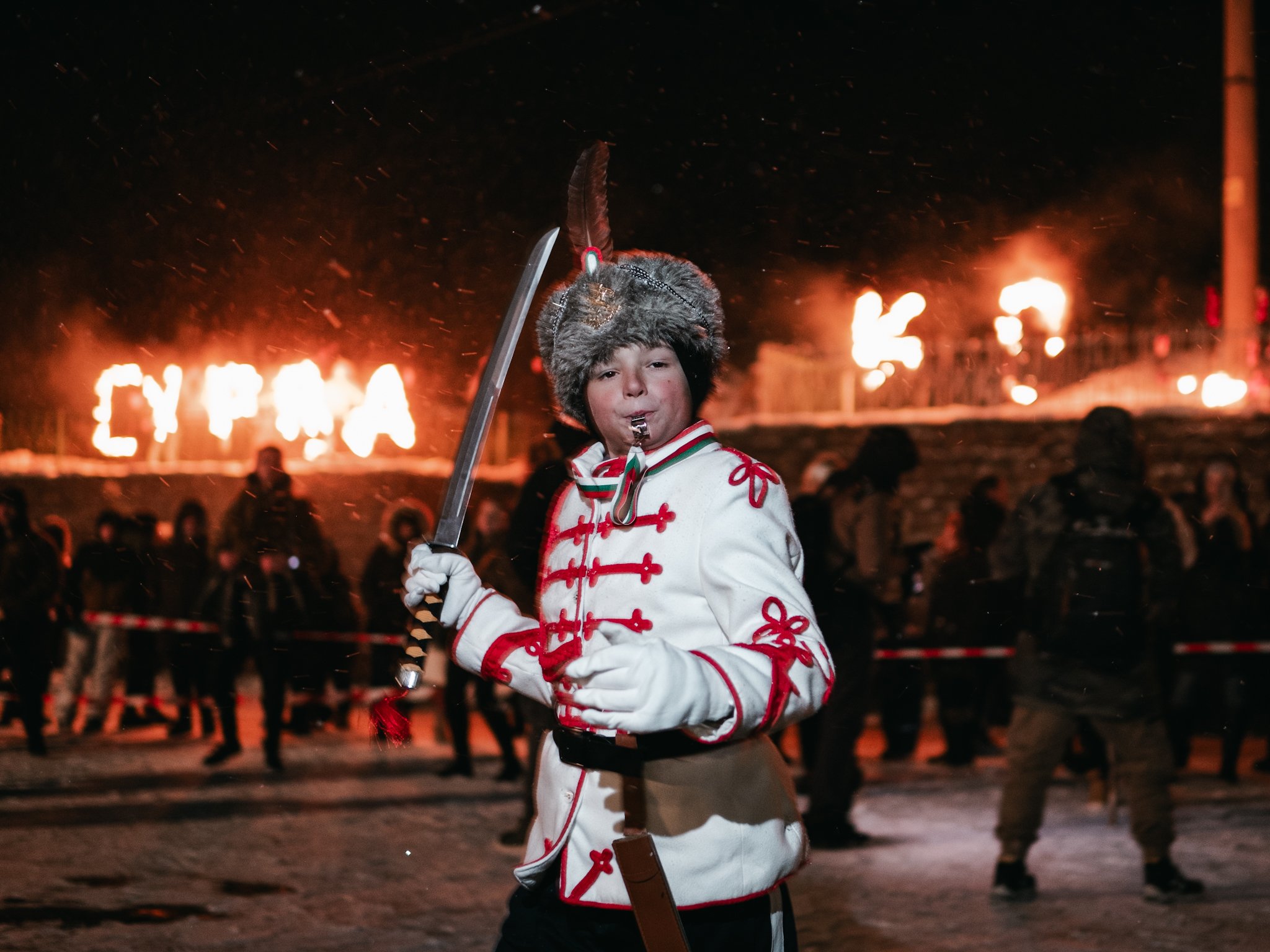
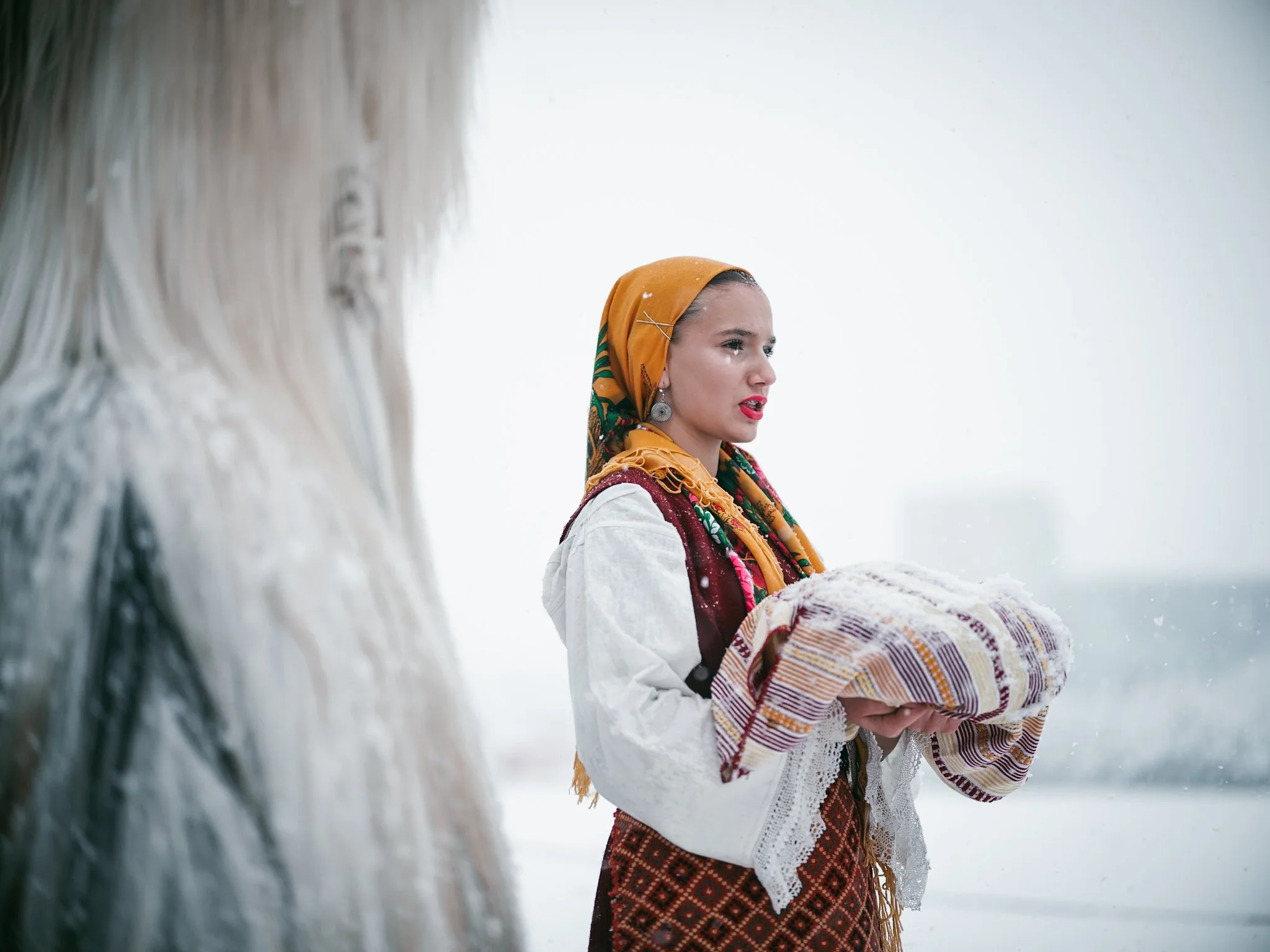
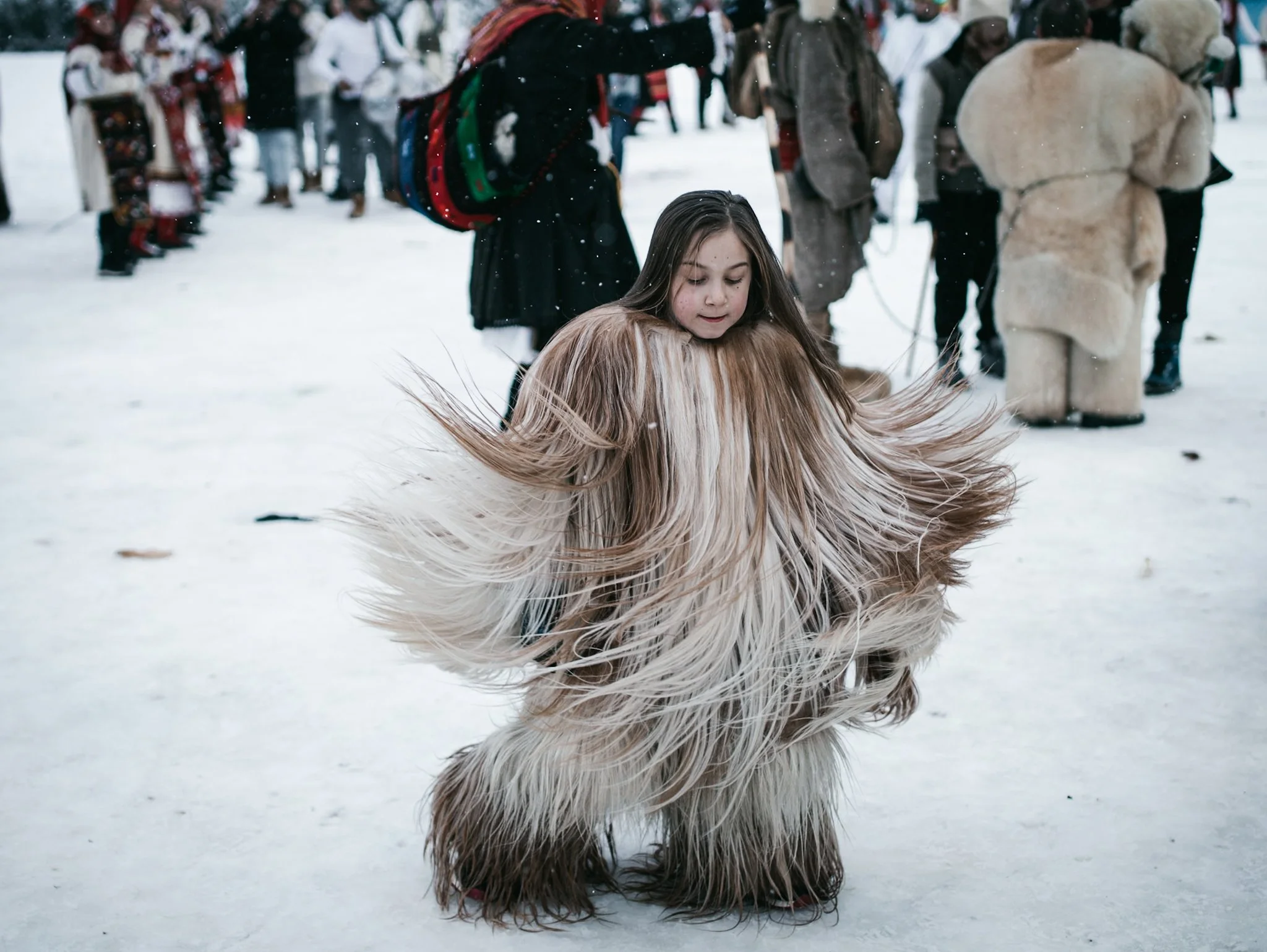
A young participant in full parade attire marks the opening of Surva in Kosharevo, celebrating cultural heritage and community tradition.
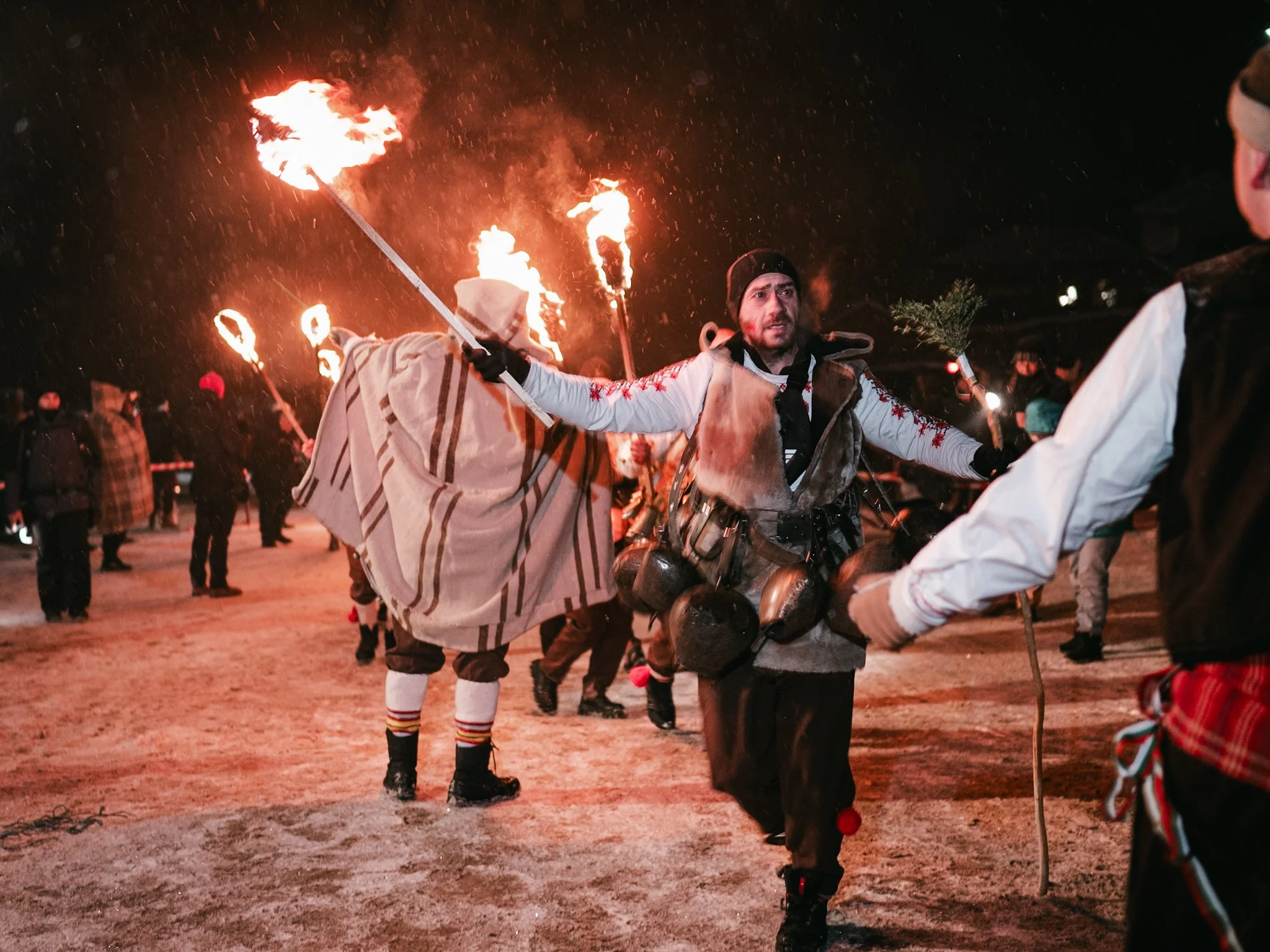
A man, adorned with traditional Surva bells, performs a lively dance while holding a torch, embodying the spirit of the Kosharevo festival and its rituals to ward off evil and bring good fortune.
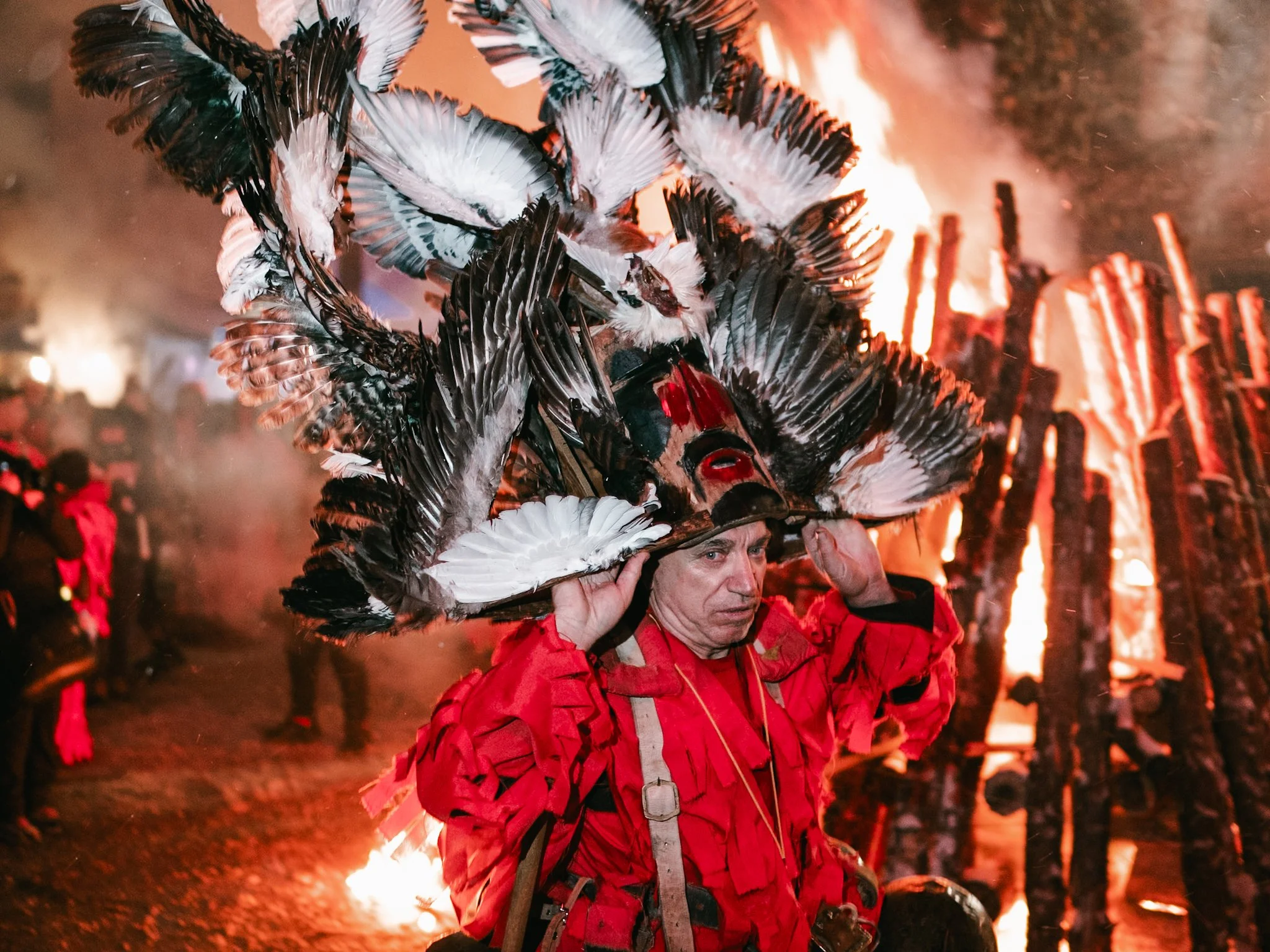
A man, holding a large mask above his head, moves gracefully in front of the Surva fire in Kosharevo, embodying the ancient traditions of the festival, where masks and flames converge to drive away evil spirits and ensure a prosperous year ahead.
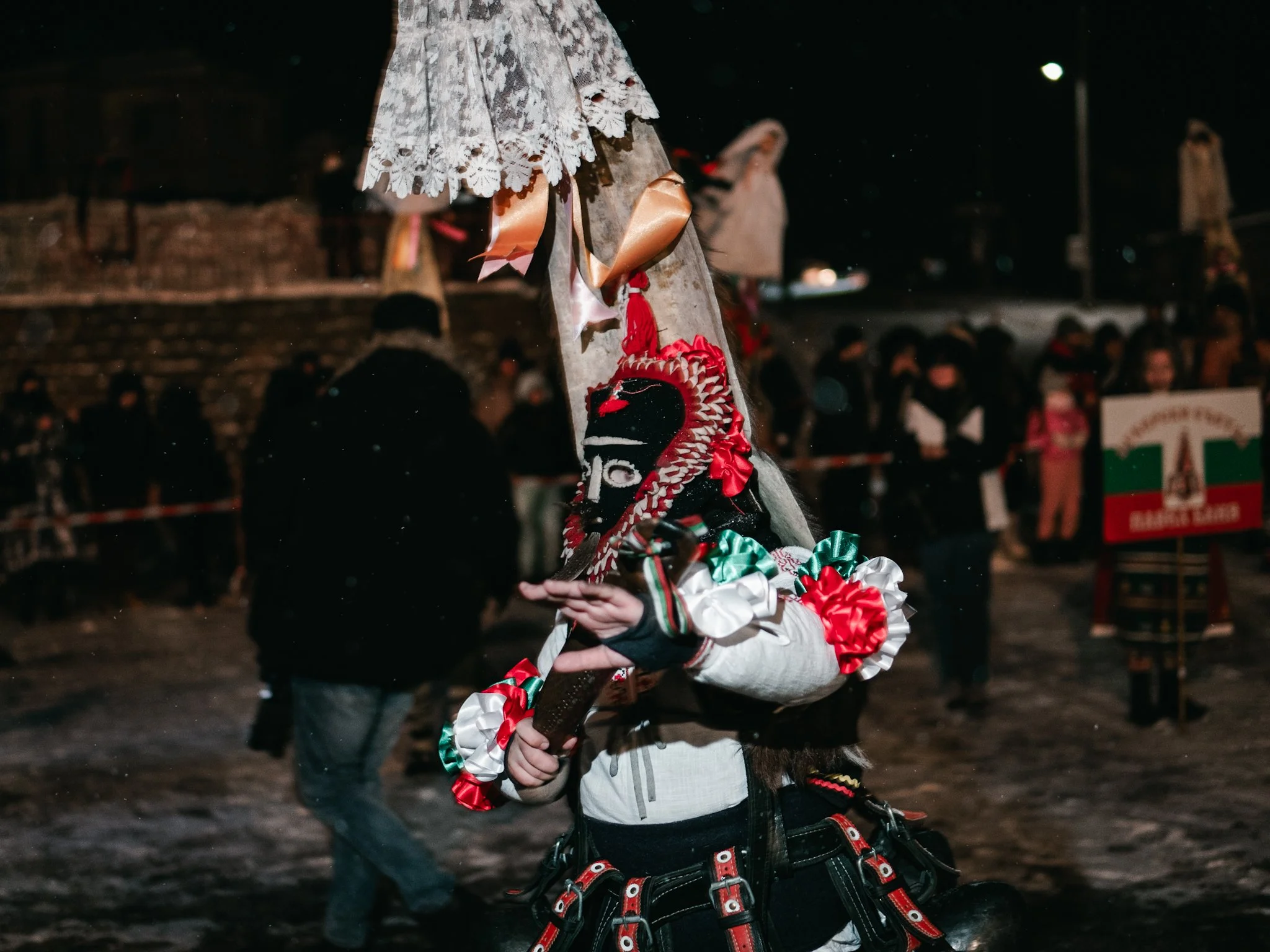
A Kuker, wearing a traditional mask and wielding a sword, performs an energetic dance as part of the Surva celebrations in Kosharevo, preserving ancient rituals meant to drive away evil spirits.
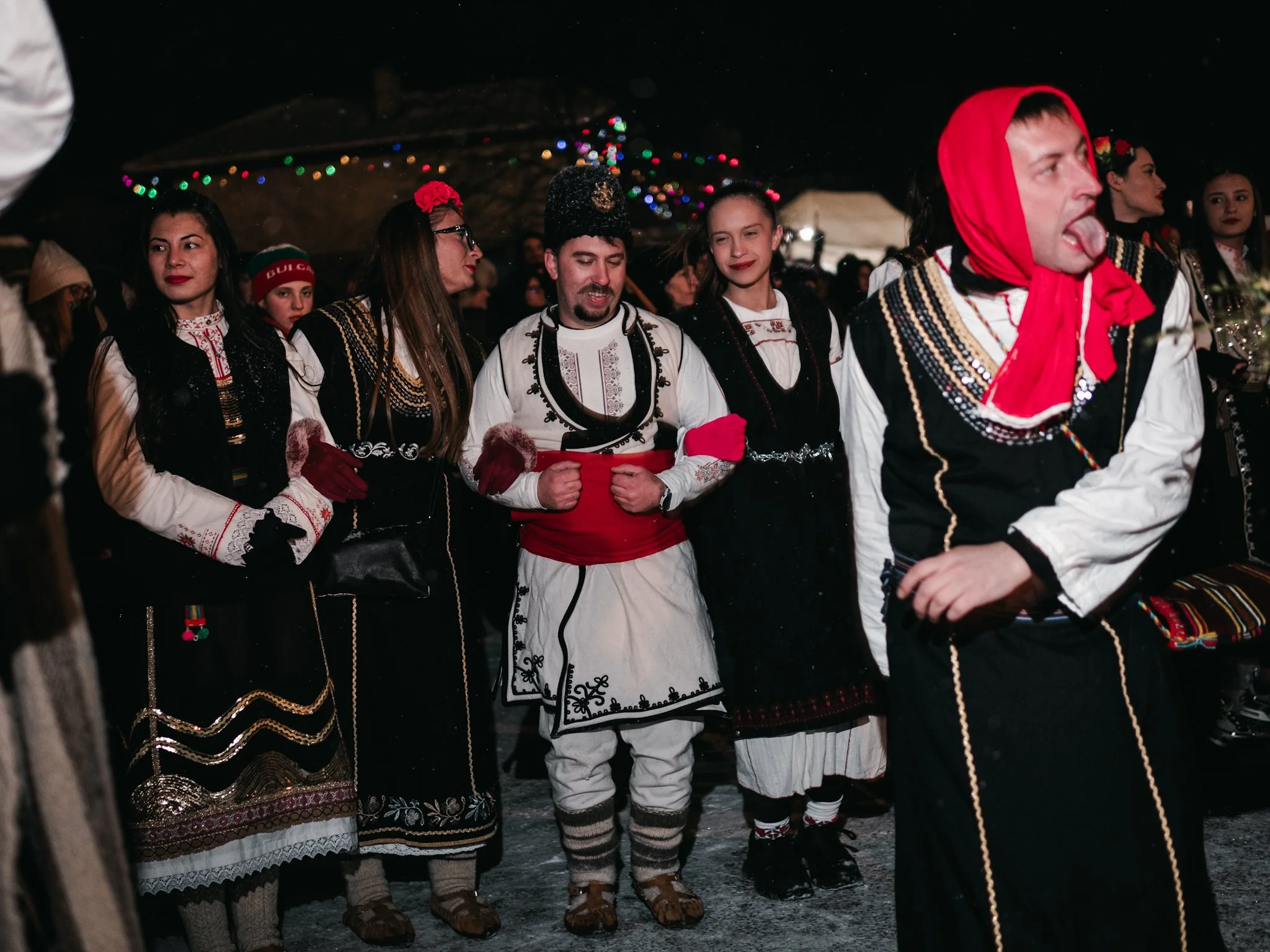
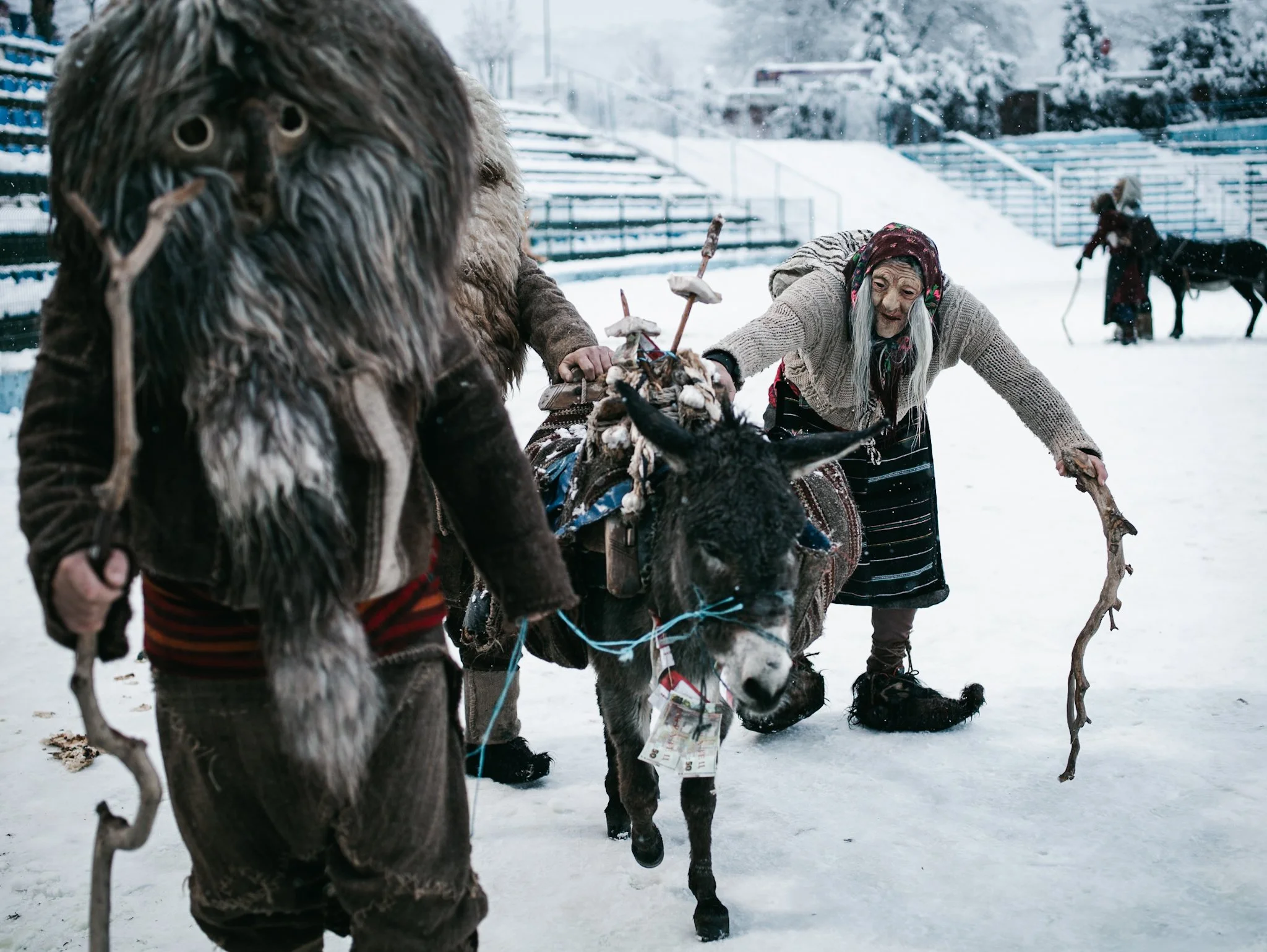
In the early Surva traditions, roles such as the woman’s character were also performed by men. Here, a man dressed in traditional women's clothing, playfully sticking out his tongue, stands before a group of three women and another man, embodying the spirited and sometimes humorous nature of the Surva tradition.
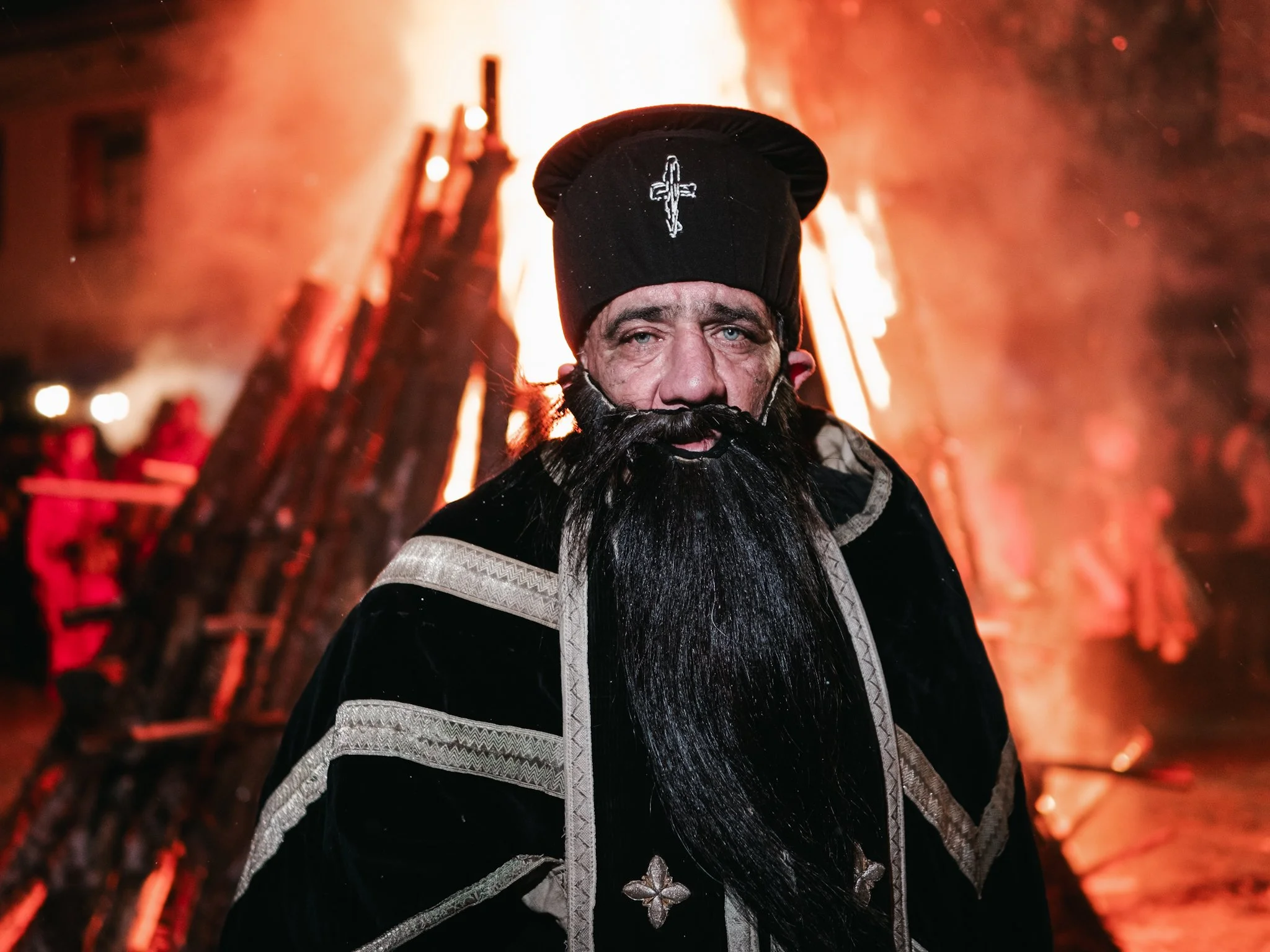
n the early Surva traditions, roles such as the woman’s character were also performed by men. Here, a man dressed in traditional women's clothing, playfully sticking out his tongue, stands before a group of three women and another man, embodying the spirited and sometimes humorous nature of the Surva tradition.
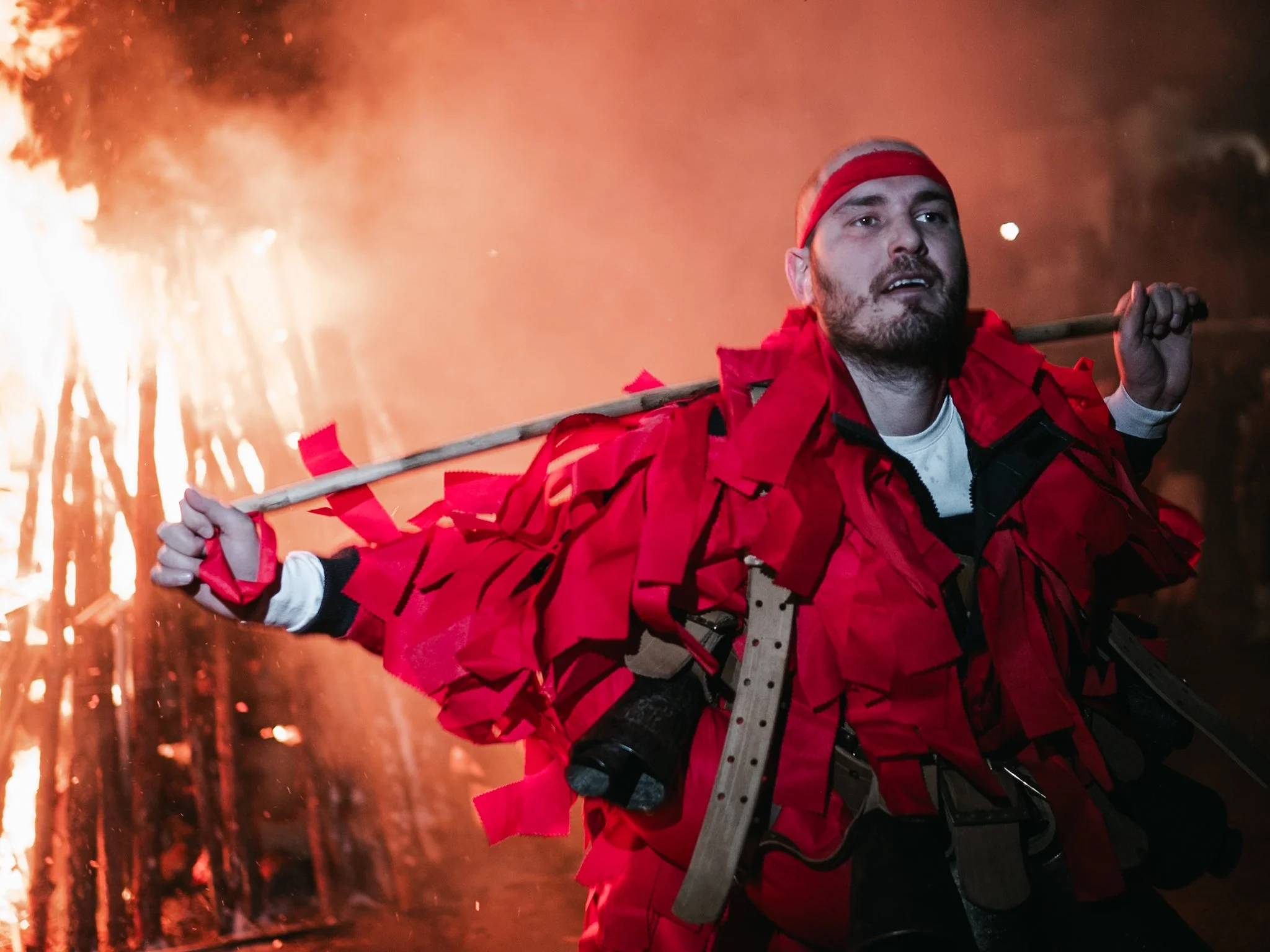
A man, holding a torch over his shoulder, performs a traditional dance next to the Surva fire in Kosharevo, embodying the festival's ritualistic energy meant to protect the community and ensure good fortune in the coming year.
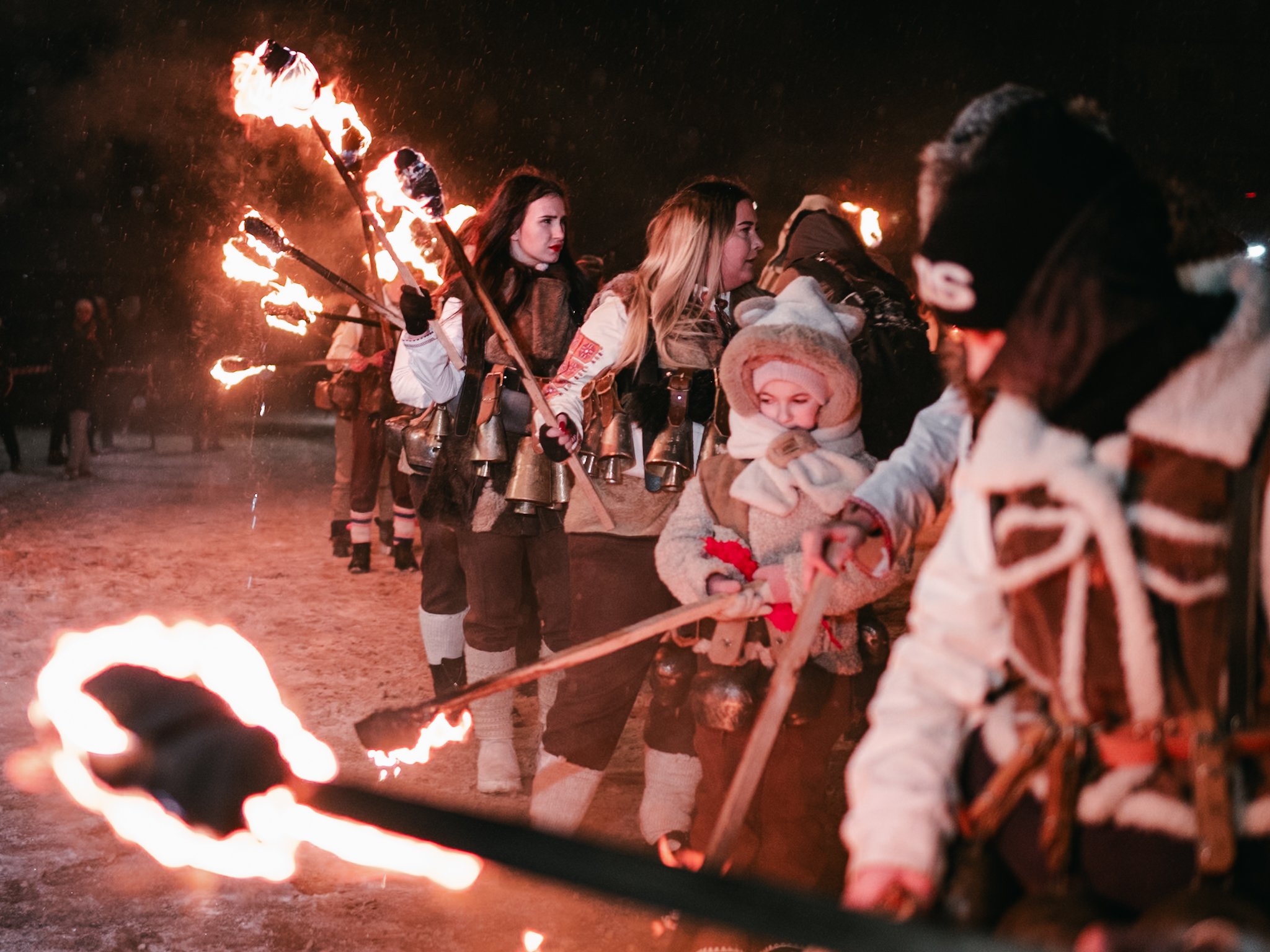
A group of women and men, holding torches aloft, prepare to ignite the Surva fire, a symbolic act that ushers in a new year of blessings and protection at the Kosharevo festival.
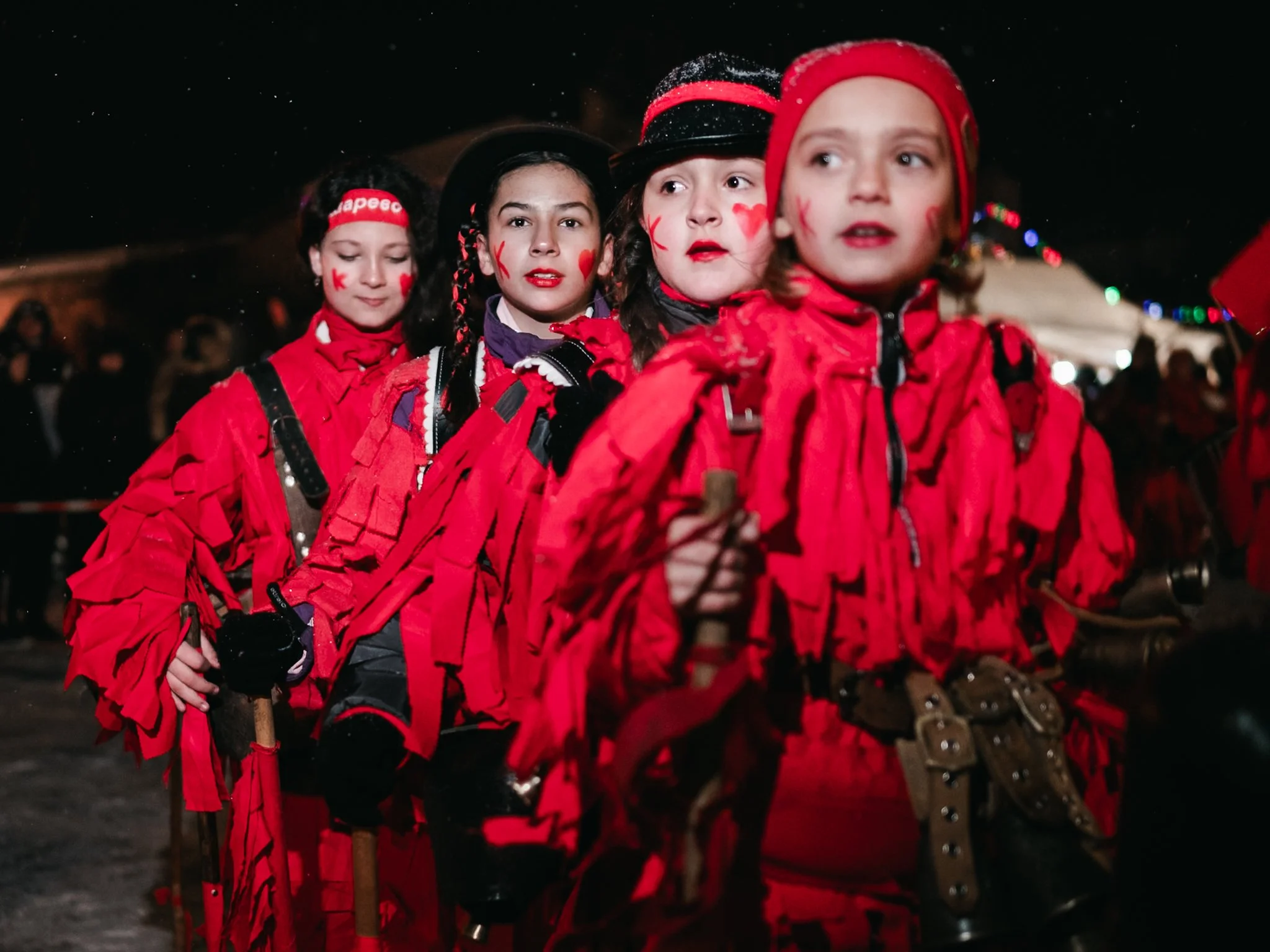
Four girls, clad in striking red costumes with fringe and bells, stand poised and alert, each looking in a different direction as they participate in the time-honored Surva celebration at Kosharevo.
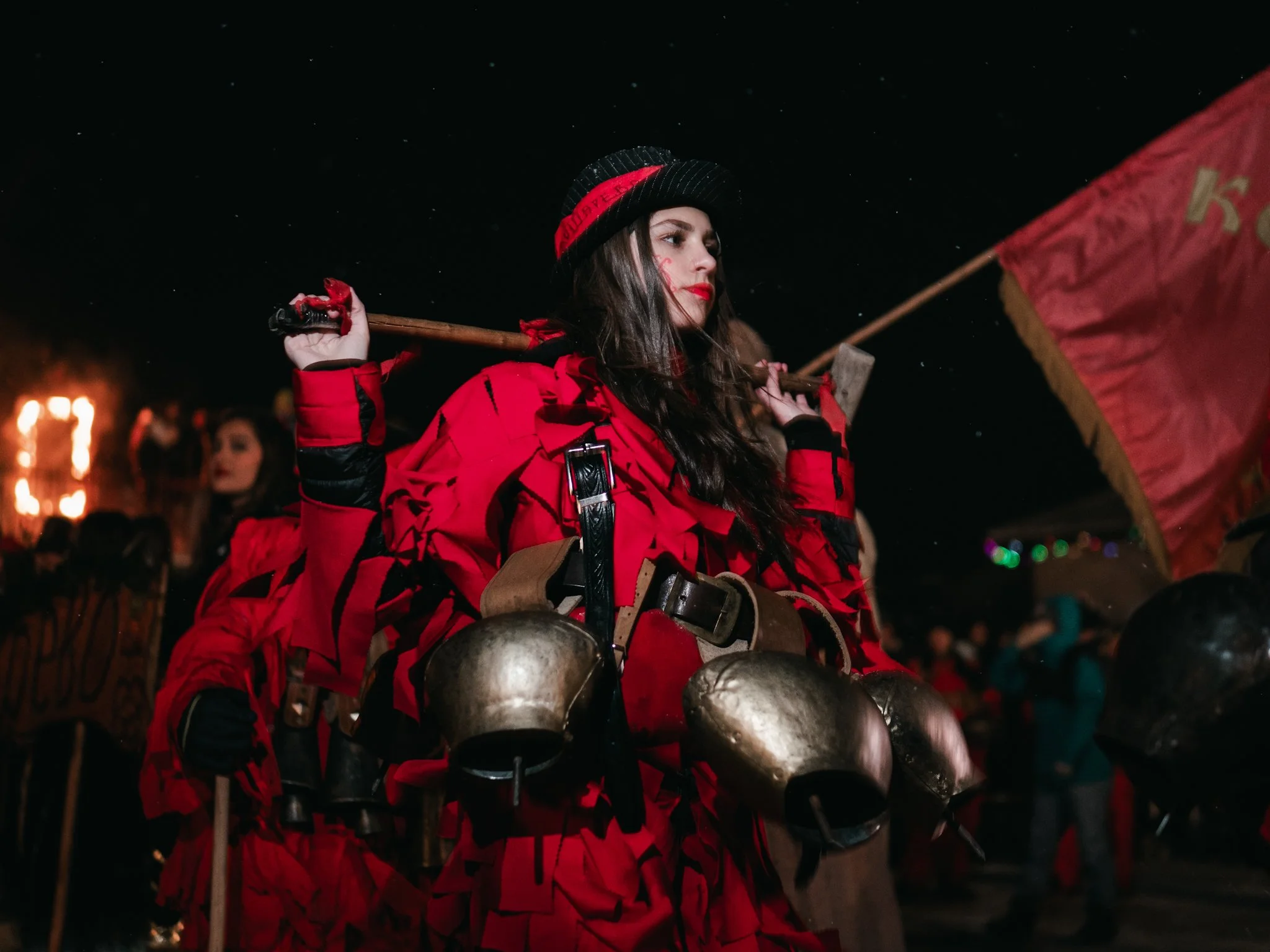
A young girl, dressed in a traditional red costume adorned with fringe and bells, carries her rod with pride during the Surva festivities in Kosharevo, honoring centuries-old customs.