A Shot That Still Echoes Through Greece
The killing of a teenager by police in 2008 ignited unrest across Greece - an event whose consequences still shape the country today.
On a cold December night in Athens, a single gunshot cut through a generation and Greece has been echoing ever since.
On December 6, 2008, 15-year-old Alexis Grigoropoulos was shot and killed by a police officer in the Exarcheia district, an event that ignited widespread unrest and left a lasting imprint on Greece’s political and social landscape.
The killing of a teenager by police in 2008 ignited unrest across Greece - an event whose consequences still shape the country today.
According to eyewitness accounts and forensic findings, the officer, Epaminondas Korkoneas, fired directly toward a group of teenagers, fatally wounding Grigoropoulos.
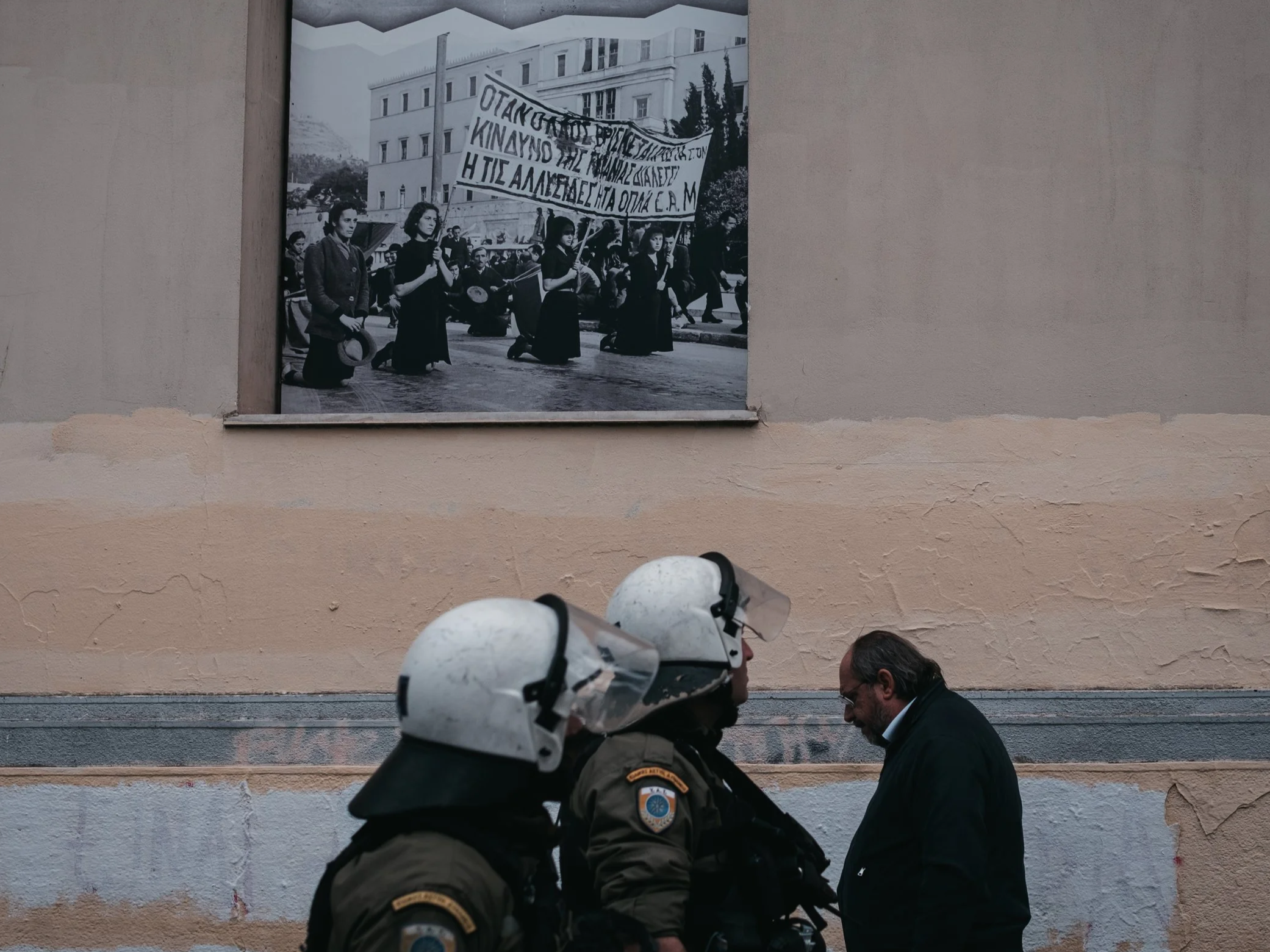
Initial police claims that the shot had been a warning were later contradicted by evidence, intensifying public anger.
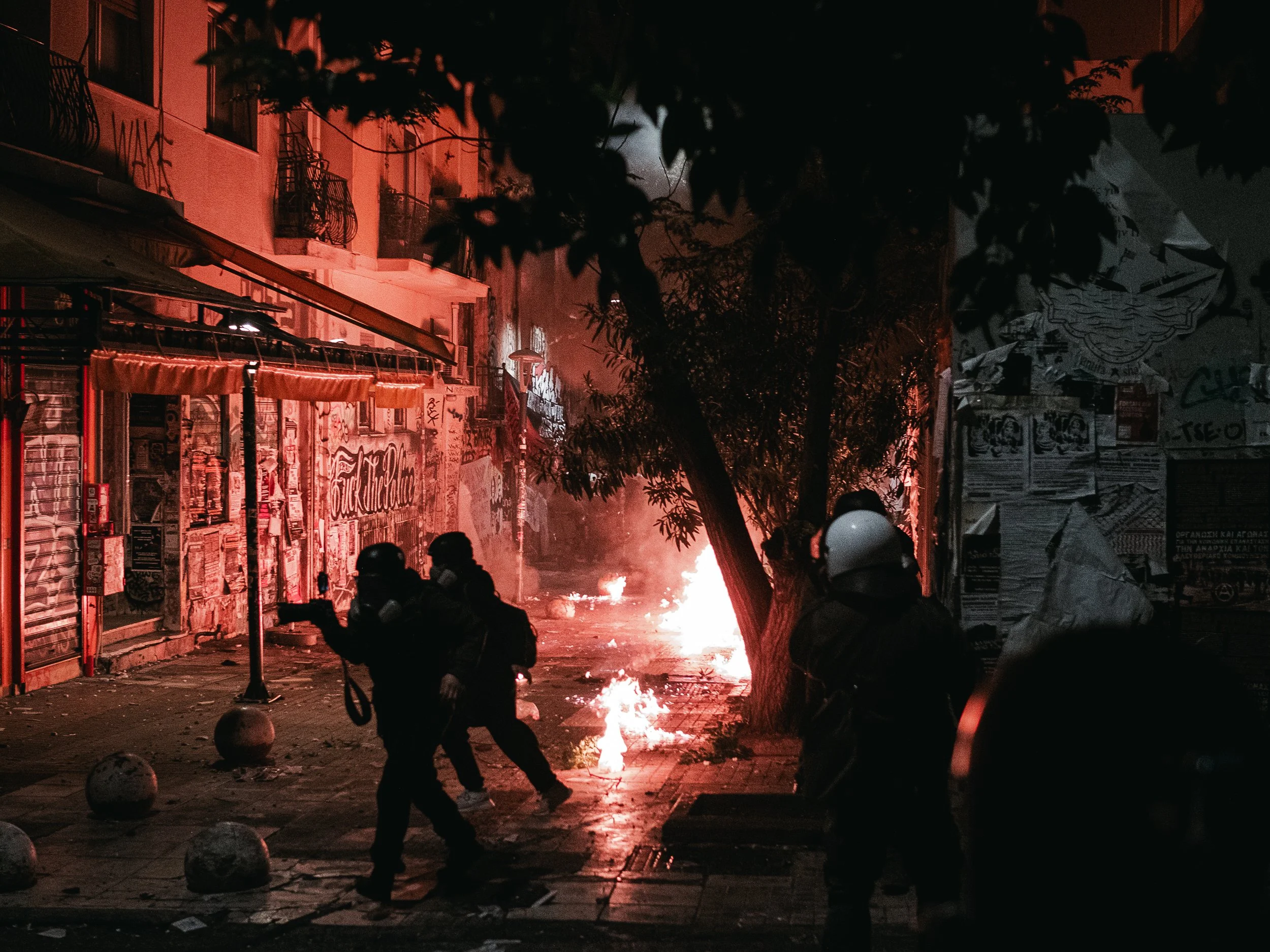
Within hours, protests erupted in Athens and quickly spread nationwide. What began as demonstrations of grief escalated into some of the most intense riots Greece had seen in decades.
Young people led the unrest, expressing not only outrage over the killing but also broader frustration with inequality, limited opportunities, and institutional failure.
A single gunshot cut through a generation, and long-simmering tensions surfaced with force.
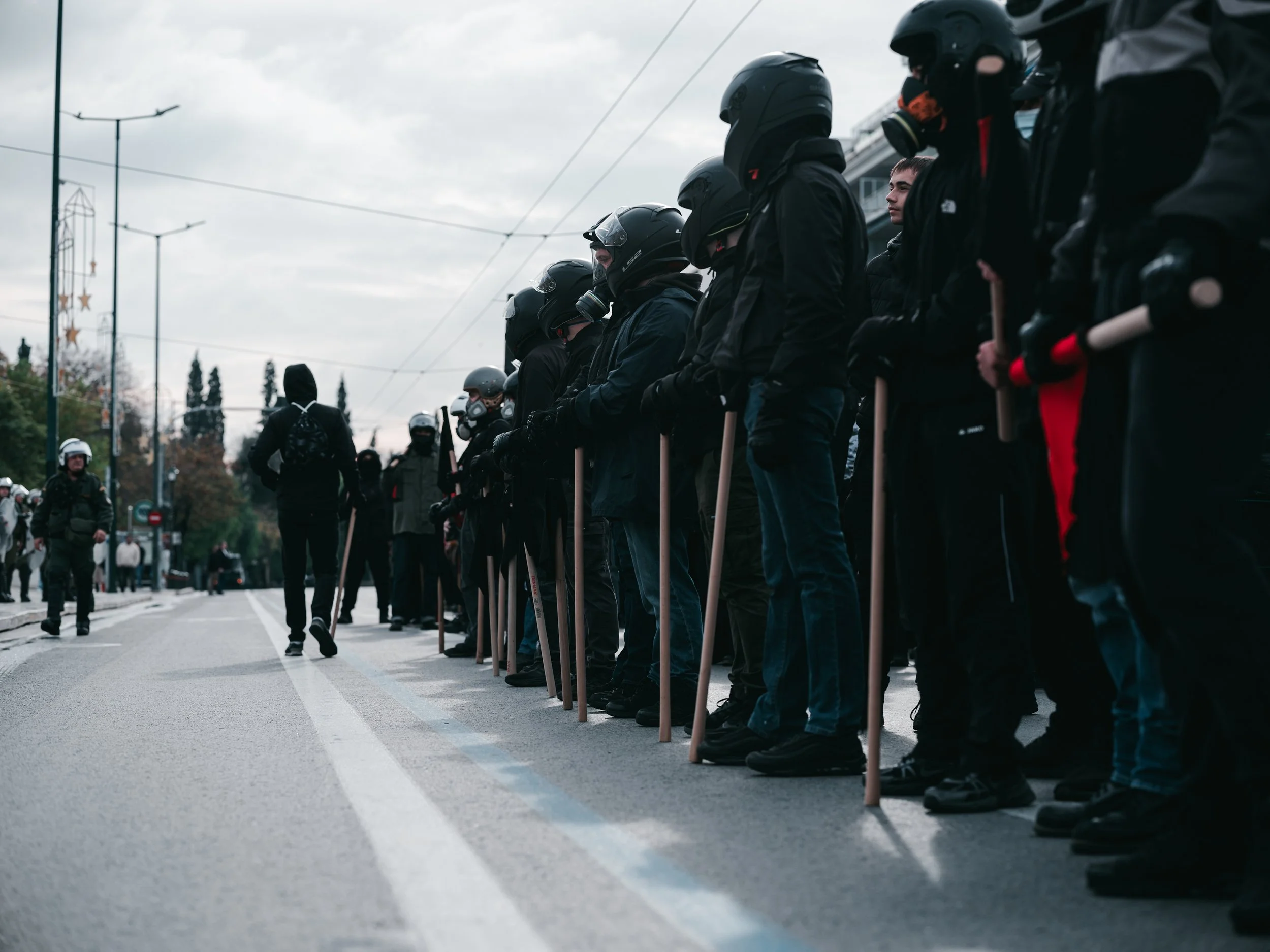
The events of December 2008 exposed deep fractures within Greek society and came to define a generation’s relationship with authority. In the years that followed, the uprising was widely seen as a precursor to the mass protests during the financial crisis, when austerity measures further eroded public trust.
The legal aftermath added further controversy. In 2010, Korkoneas was convicted of intentional homicide and sentenced to life imprisonment.
However, in 2019, his sentence was reduced on appeal, leading to his release after 13 years - a decision that reignited public anger and protests.
Nearly two decades later, the legacy of Grigoropoulos’s death endures.
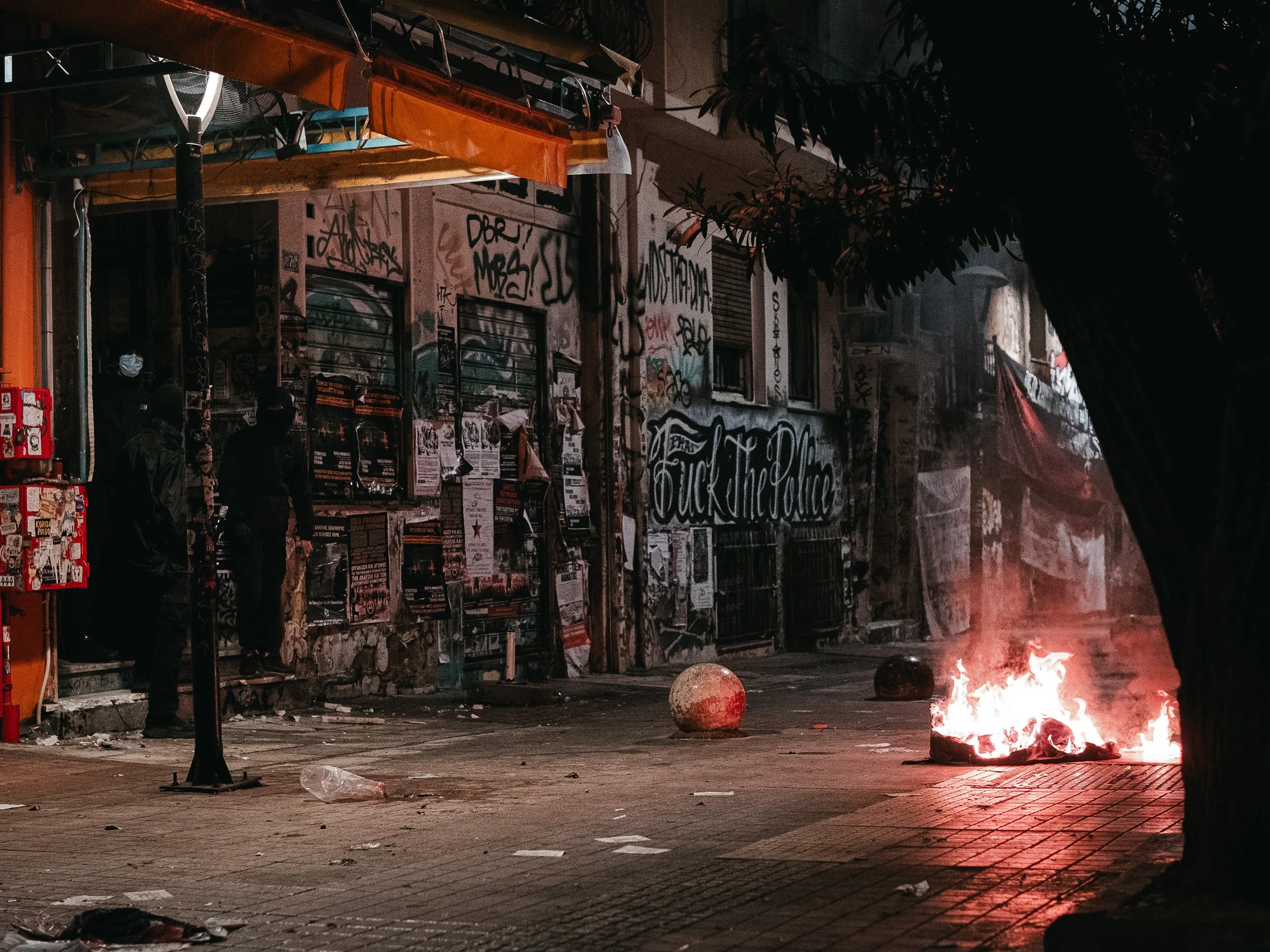
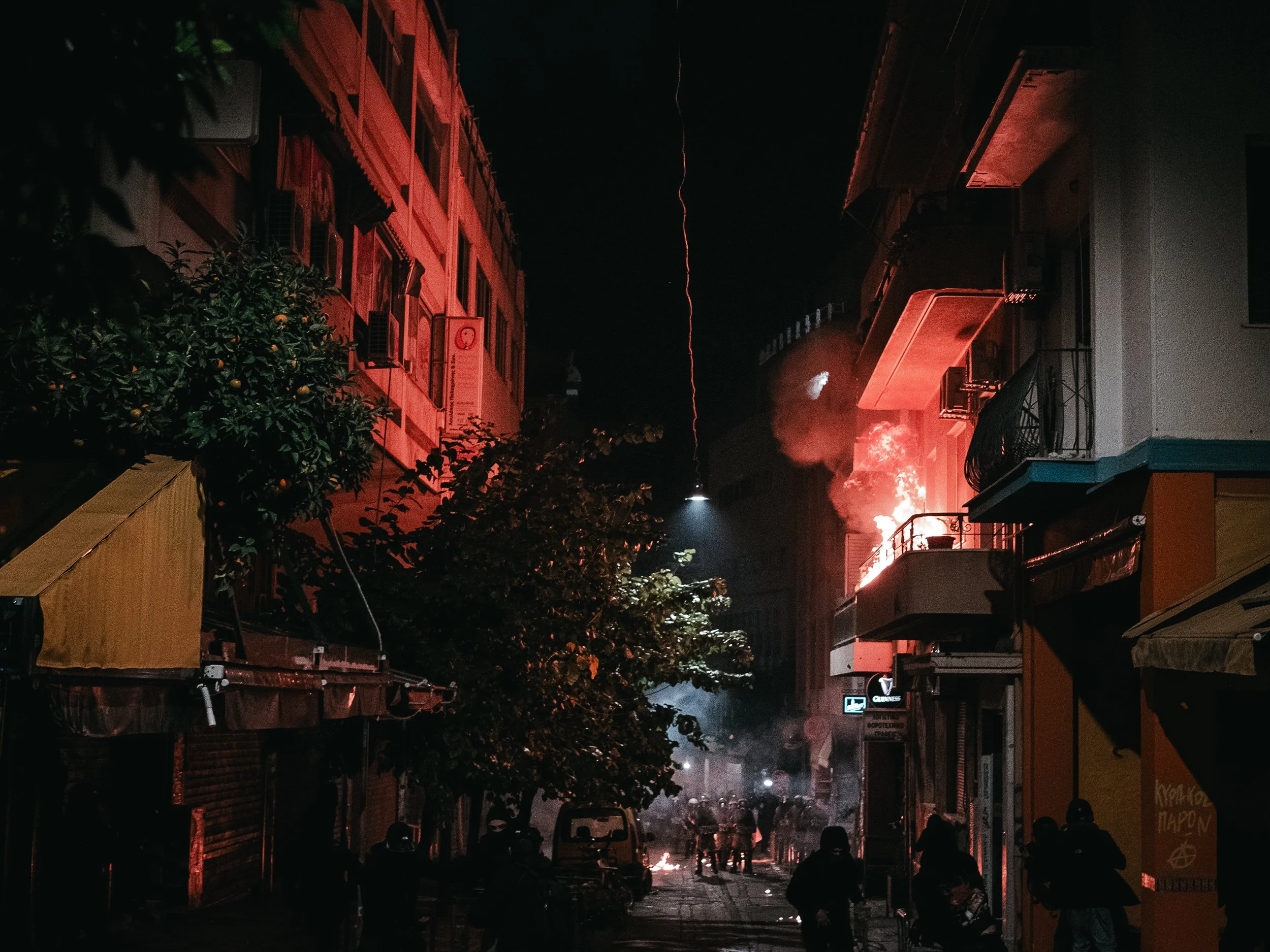
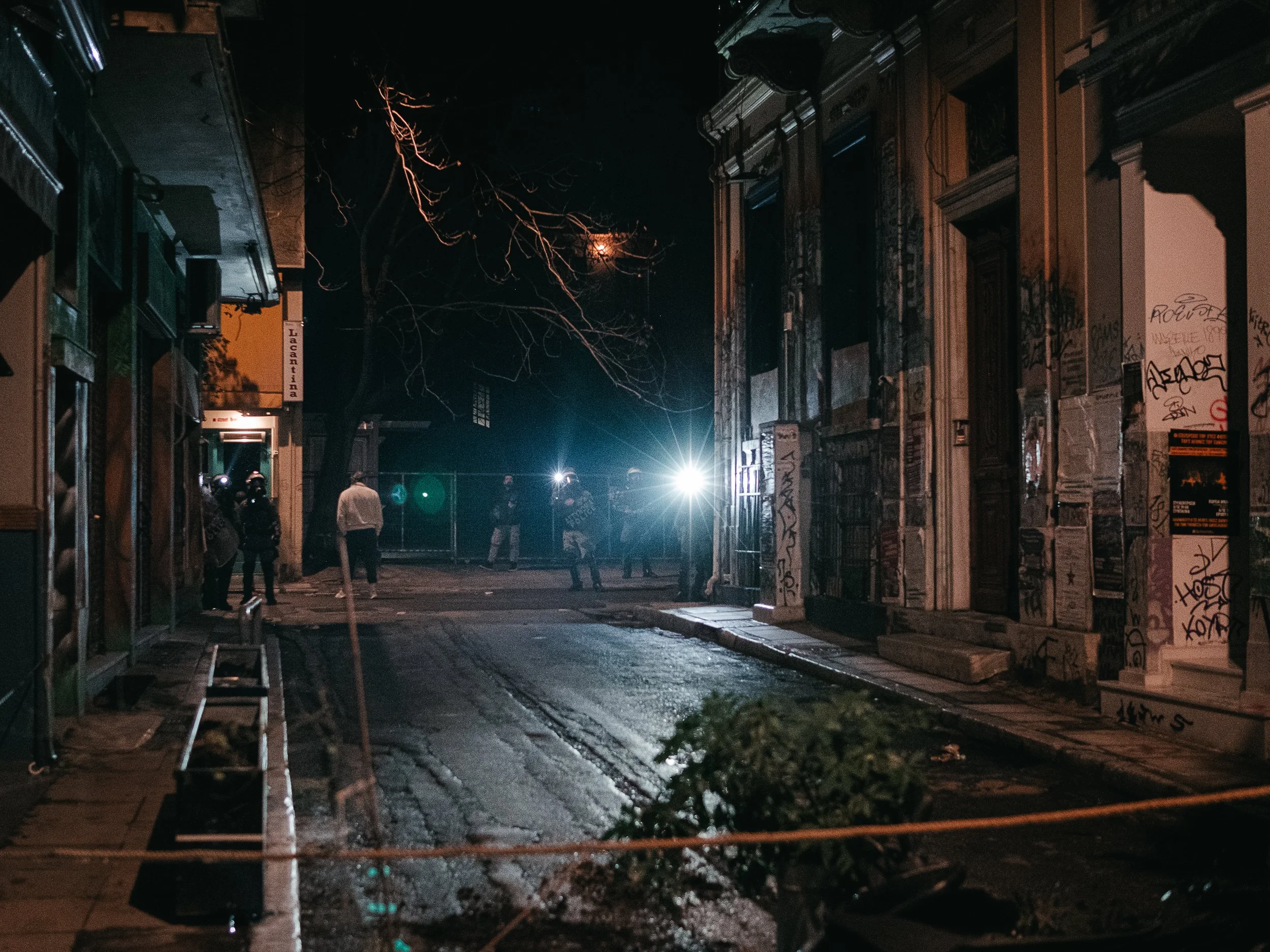
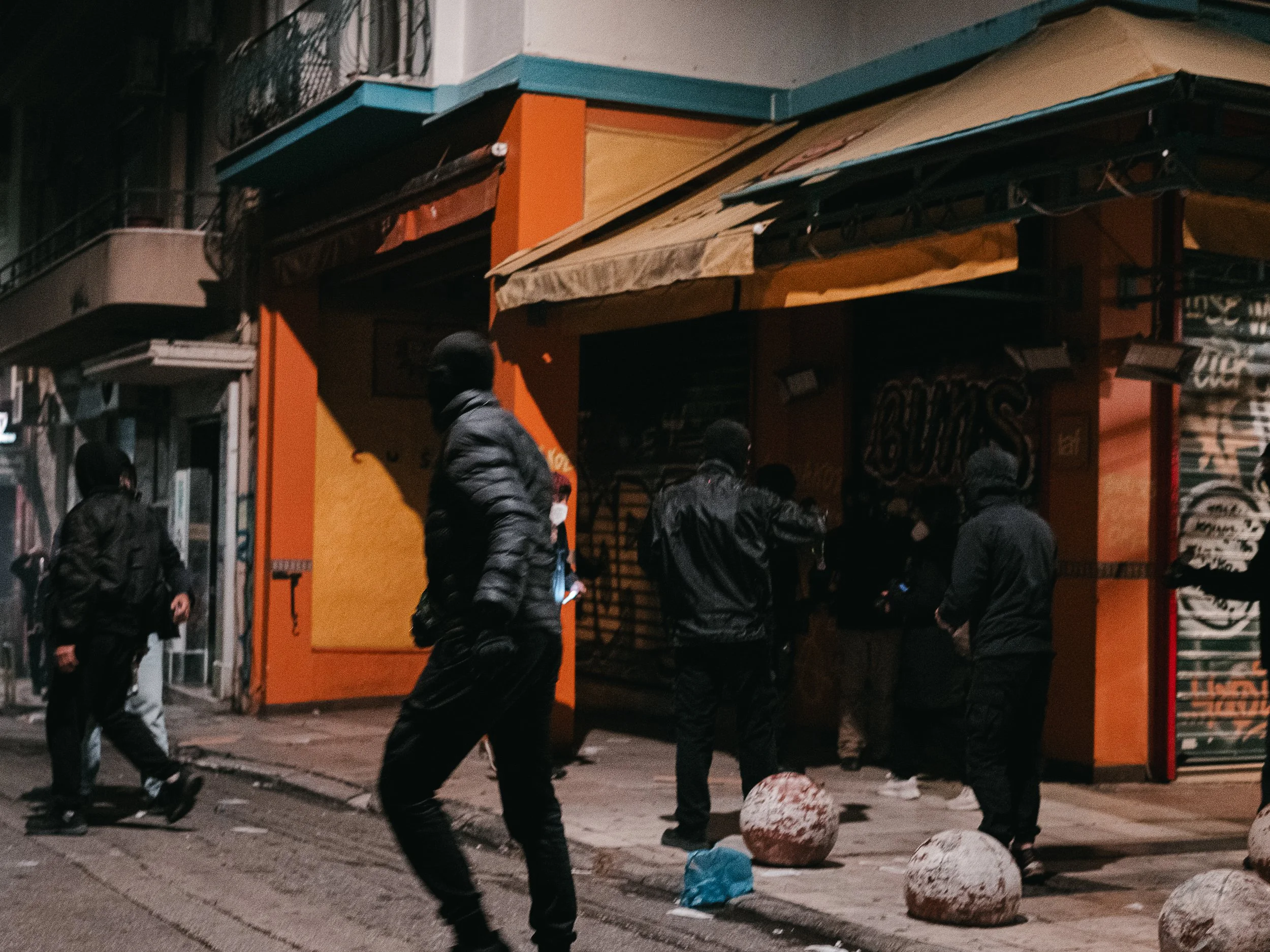
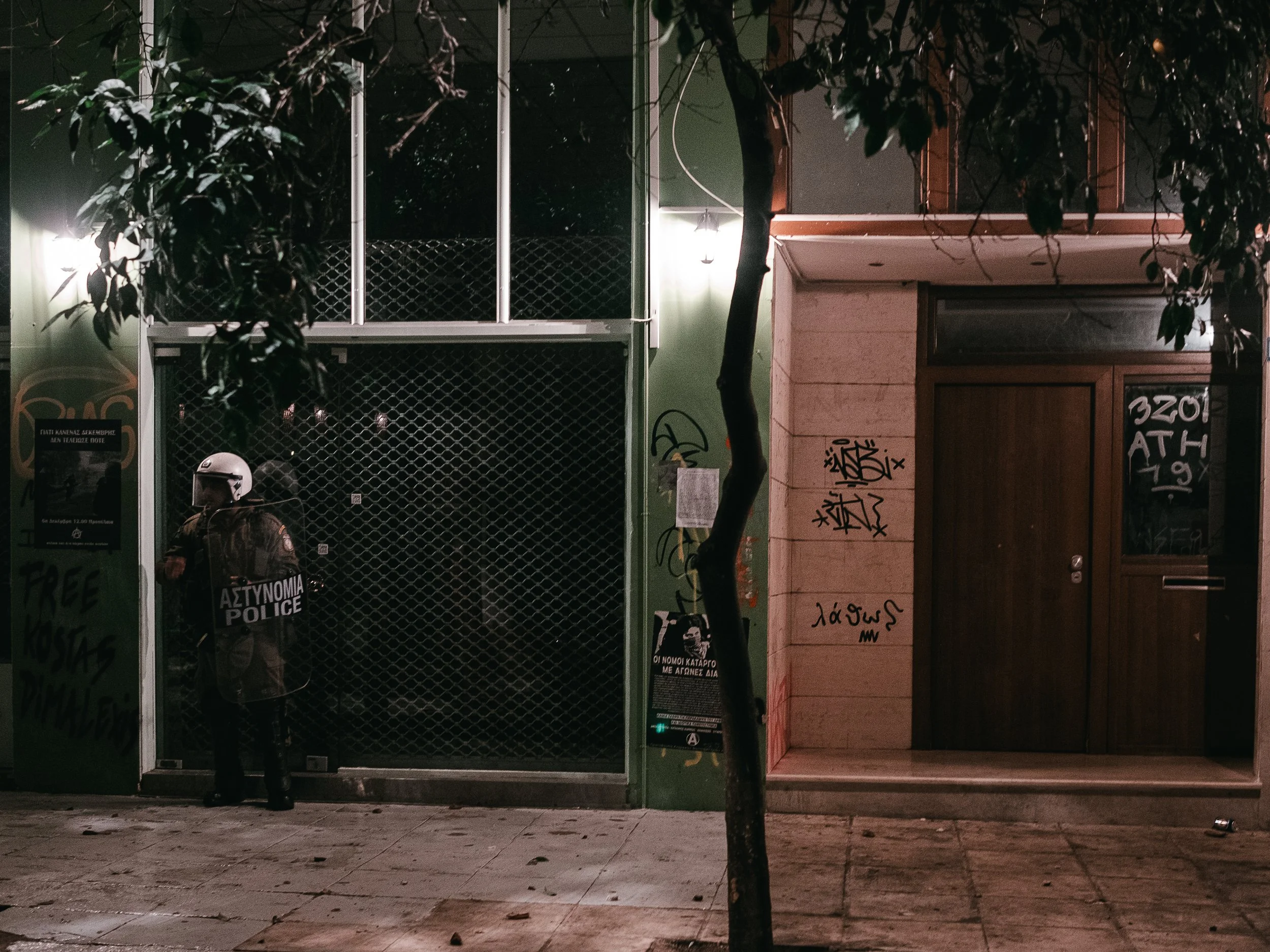
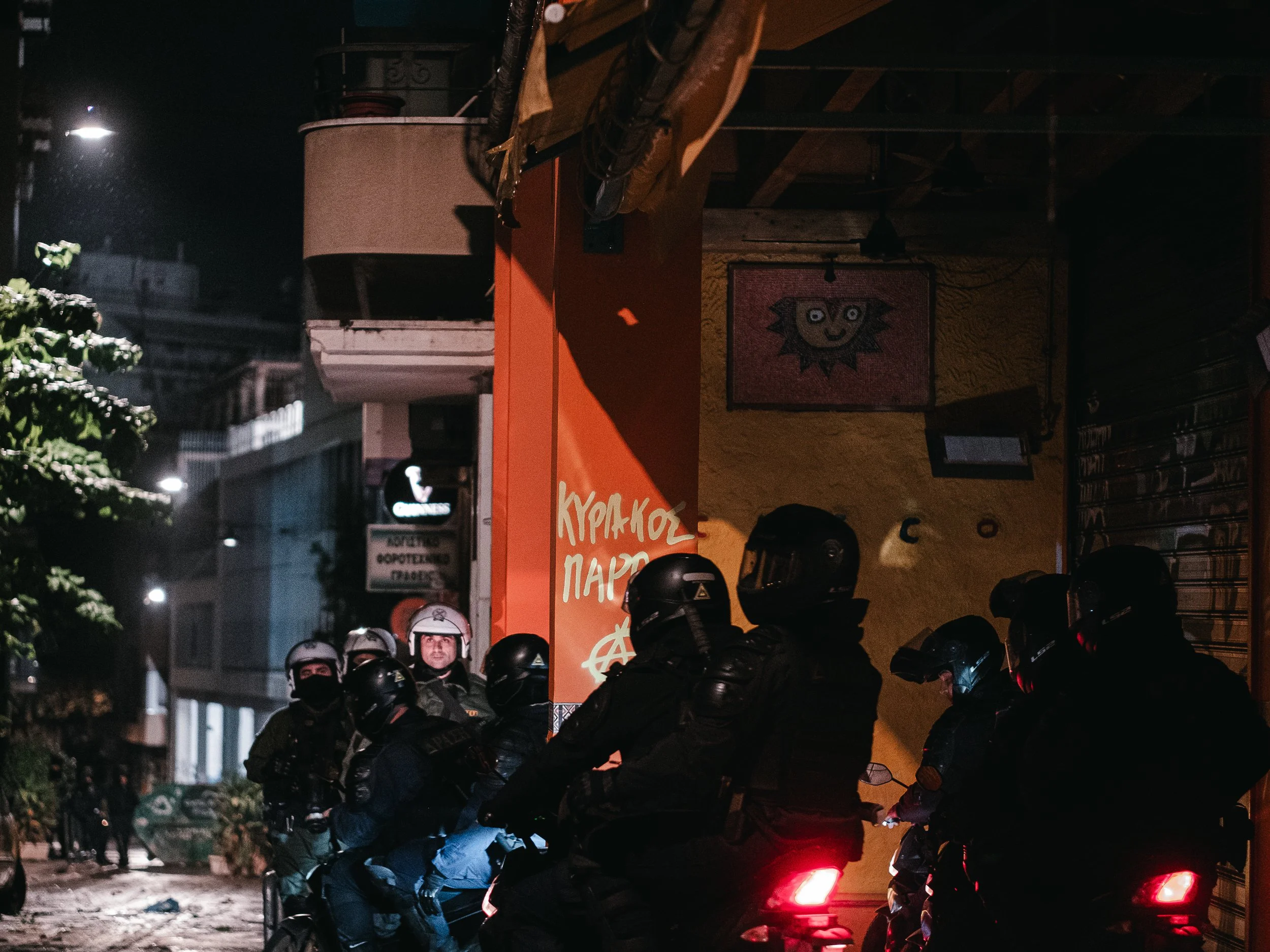
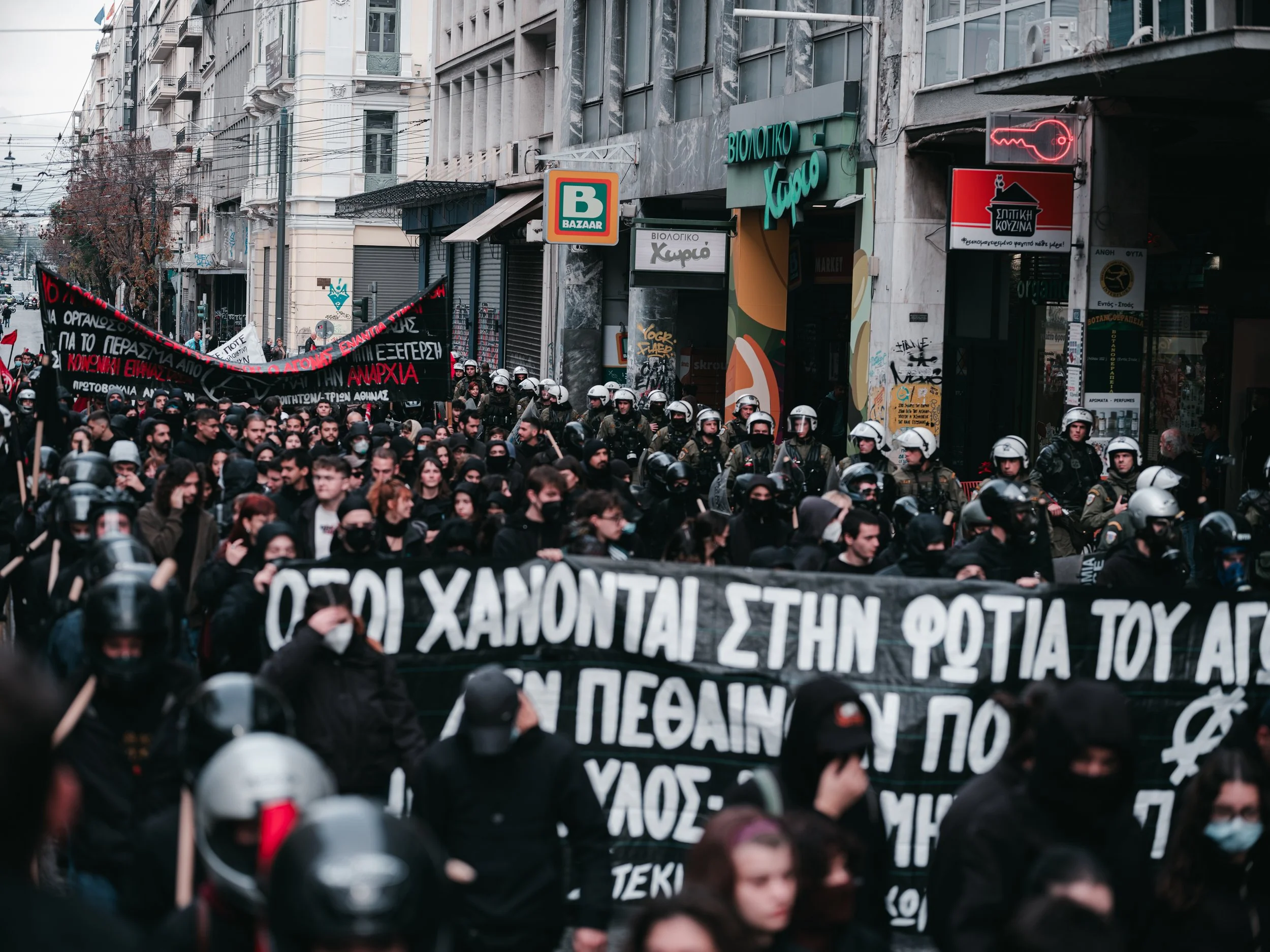
Each year on December 6, demonstrations return to the streets, reflecting ongoing tensions between citizens and the state.
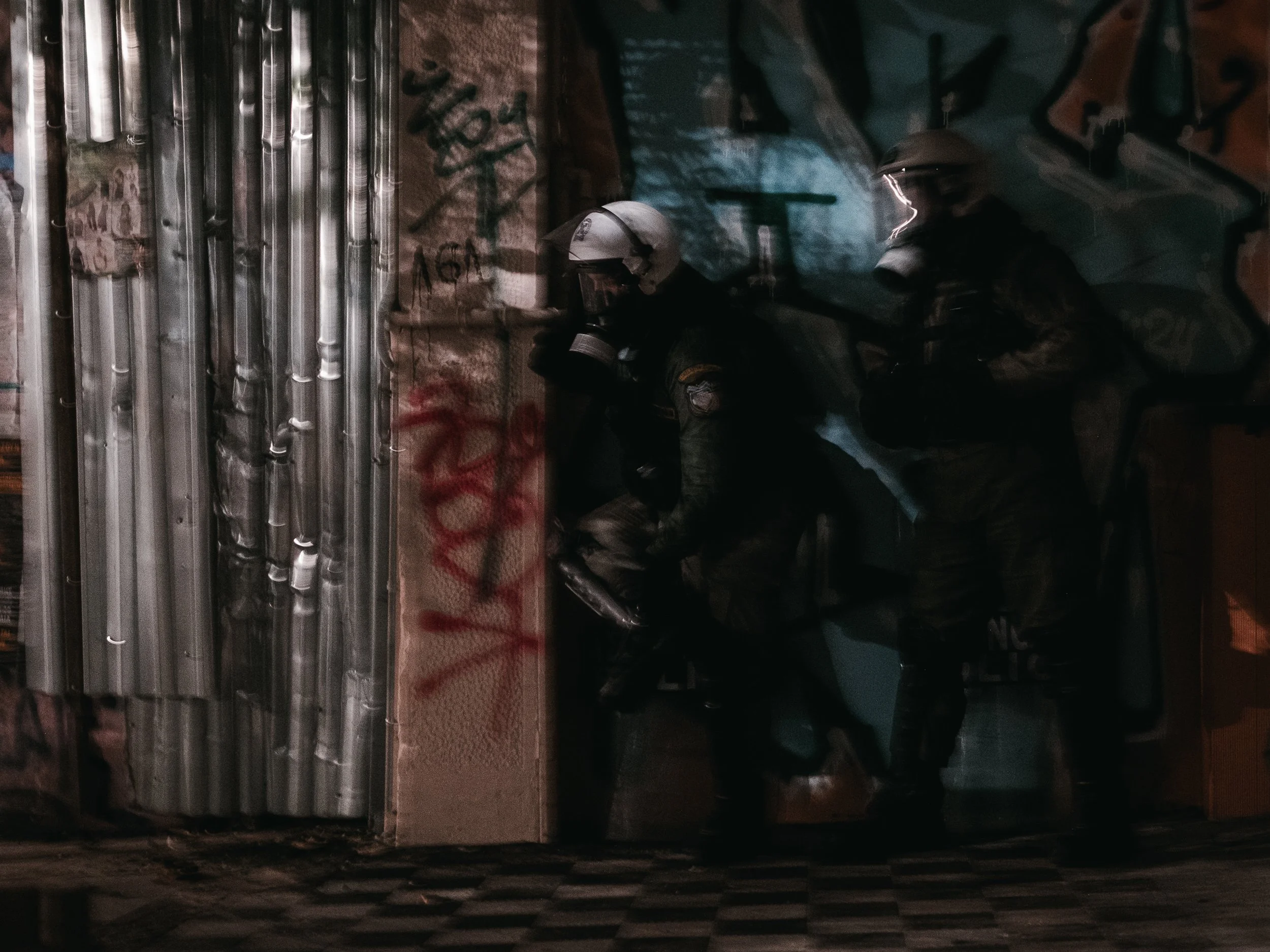
The consequences of that night still shape the country today and its echo has yet to fade.